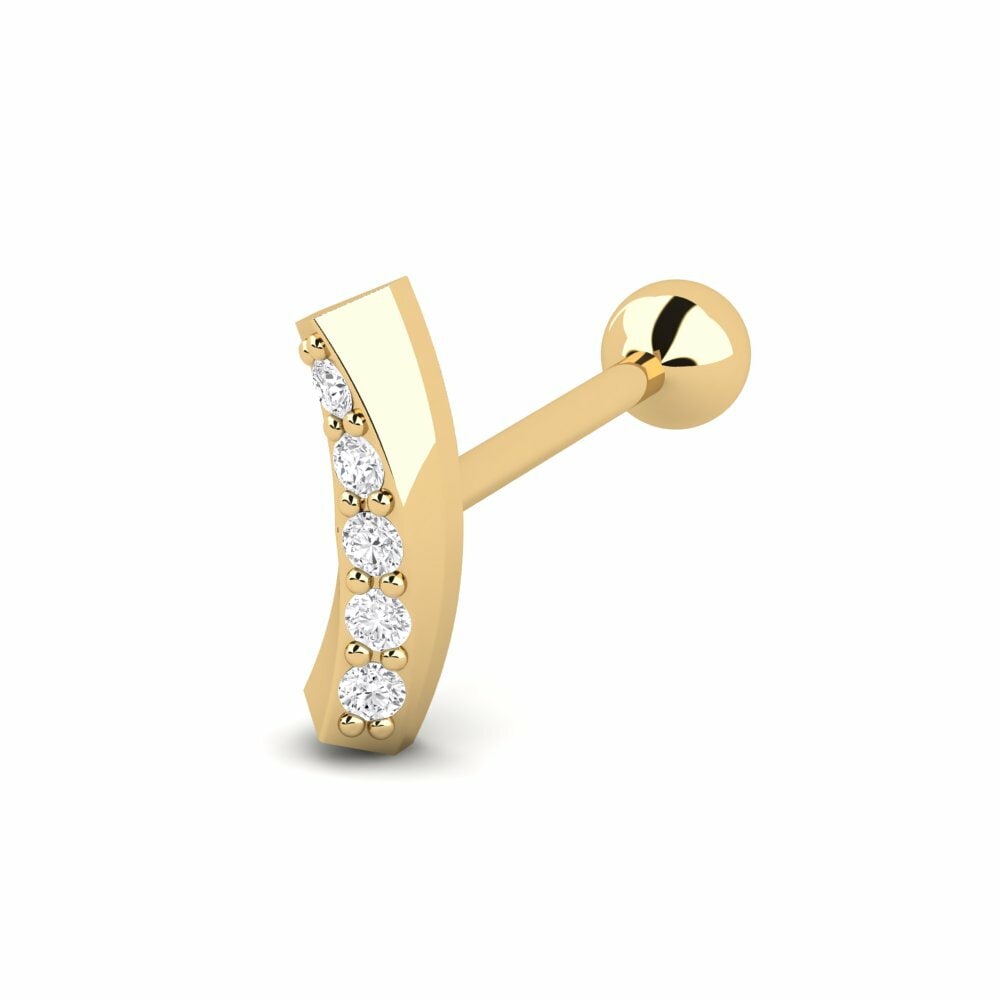
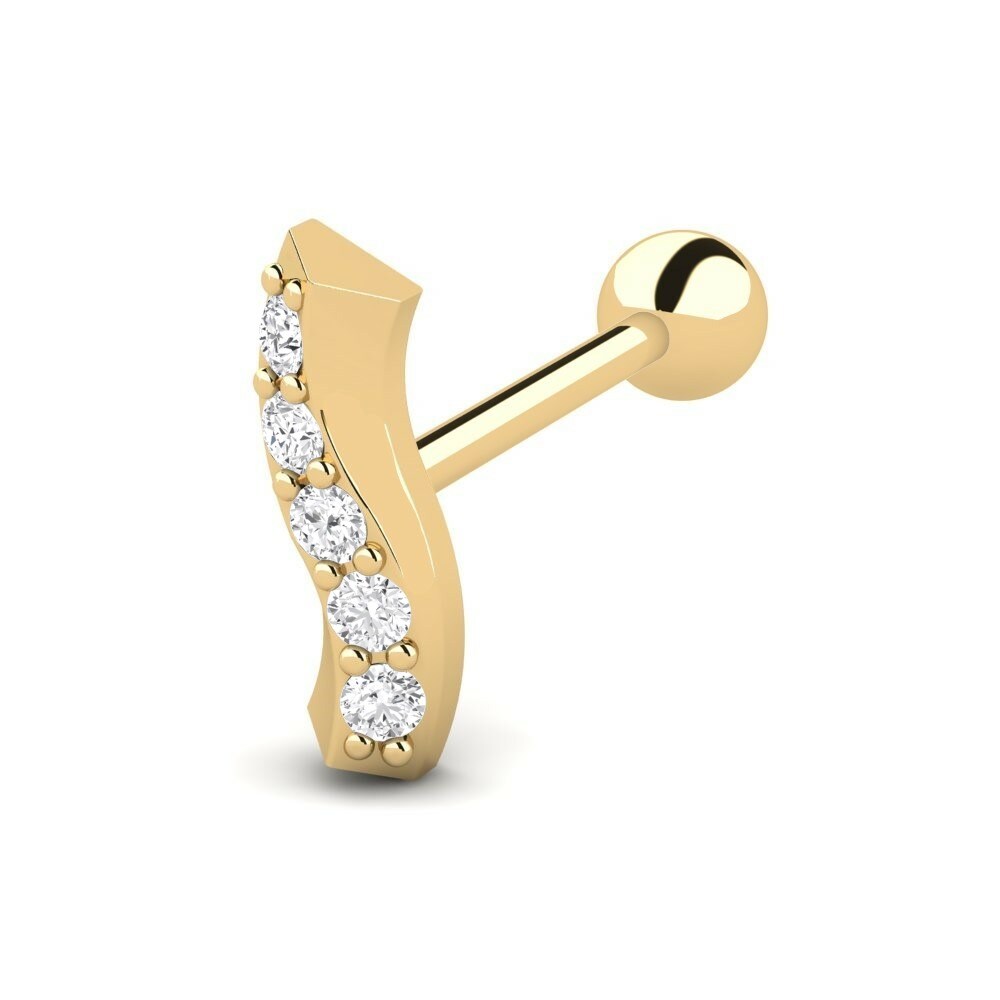
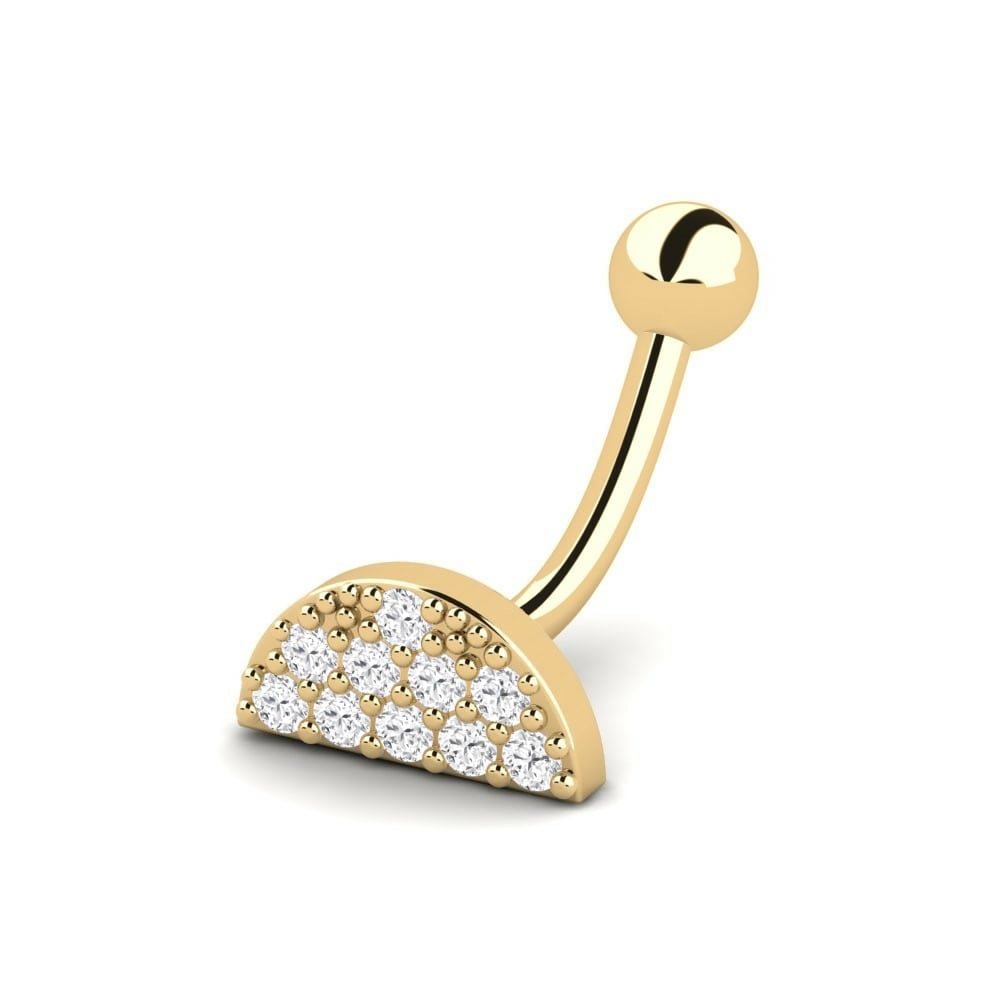
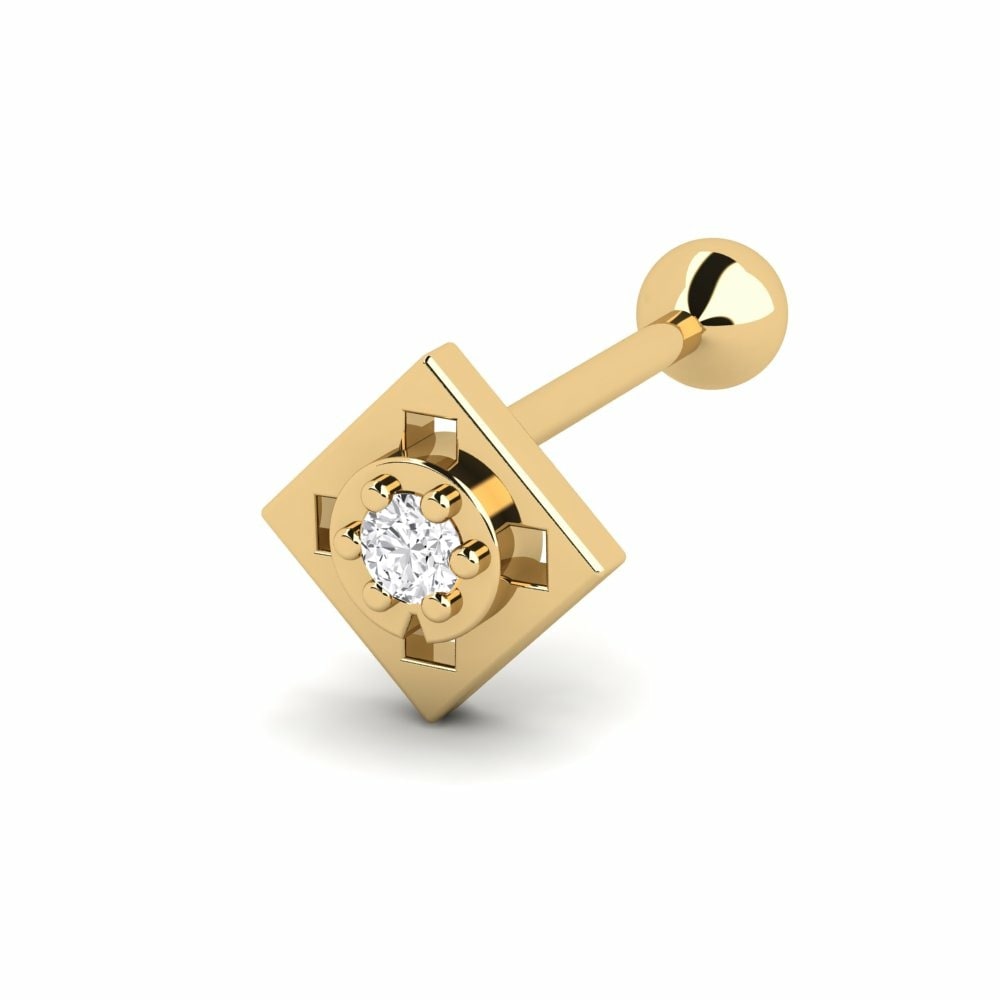
- Ear Piercing Viskas 14ct Yellow Gold & White Sapphire & White Pearl
0.008 ct - AAA
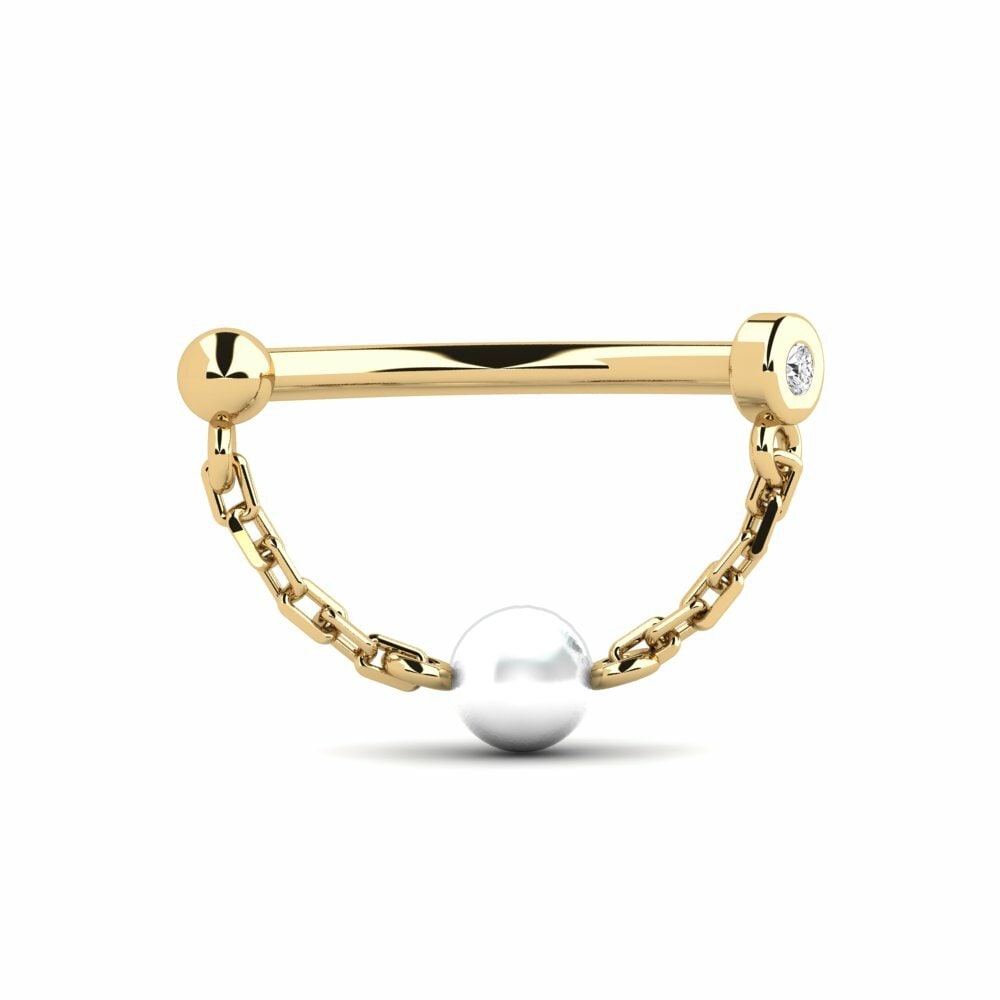
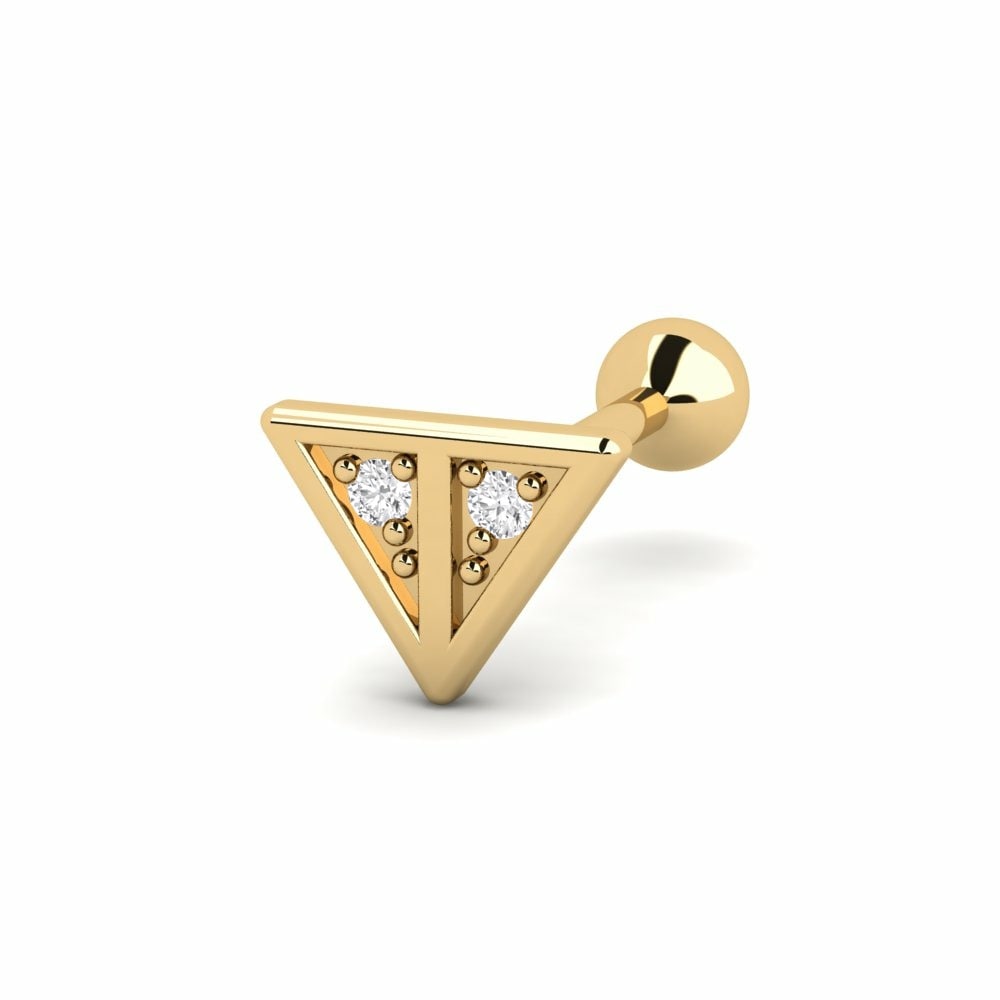
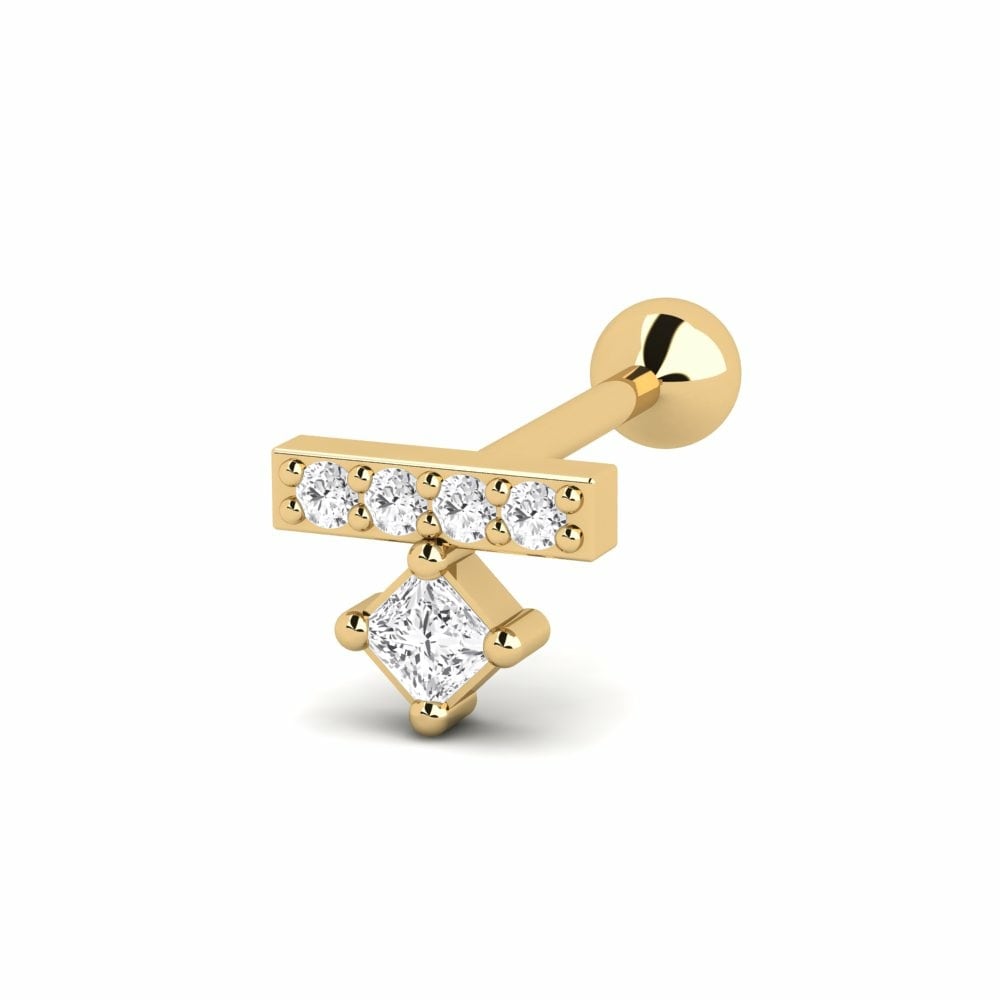
£153.00from £116 - Ear Piercing Rembulan 14ct Yellow Gold & White Sapphire & White Pearl
0.008 ct - AAA
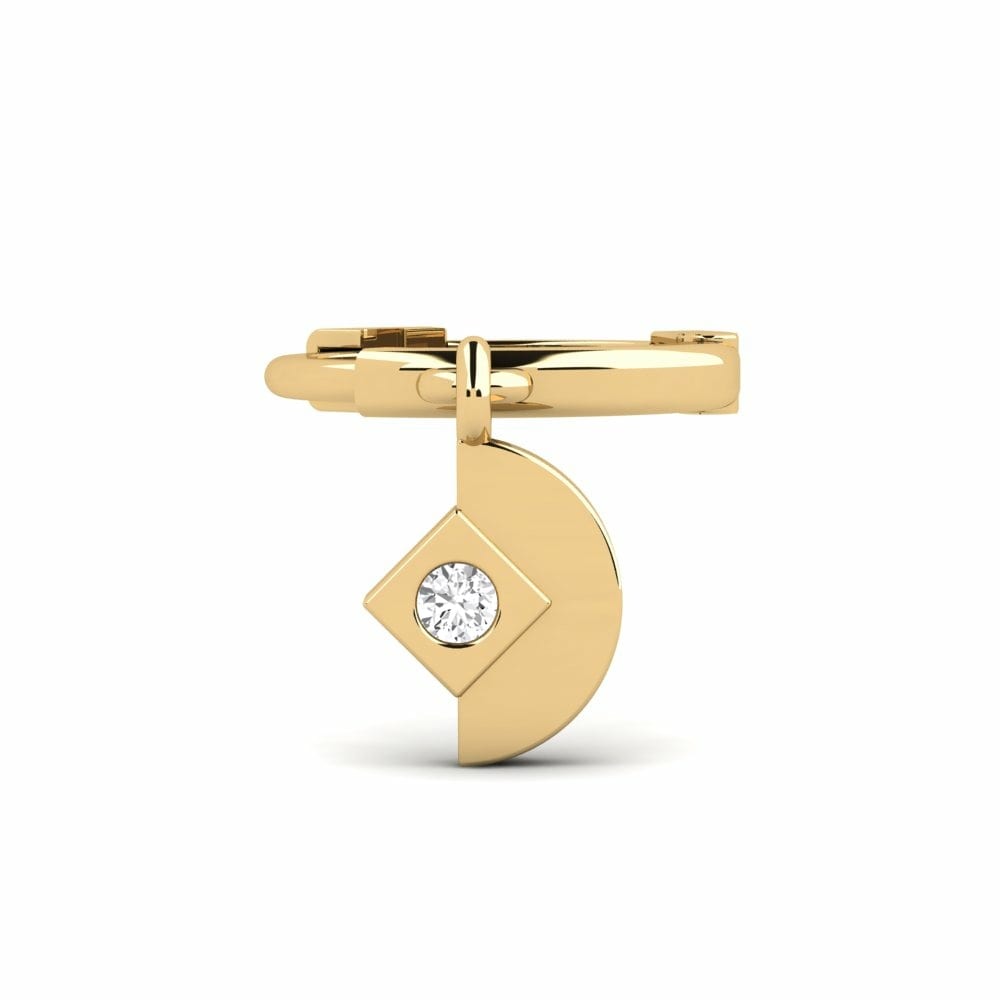
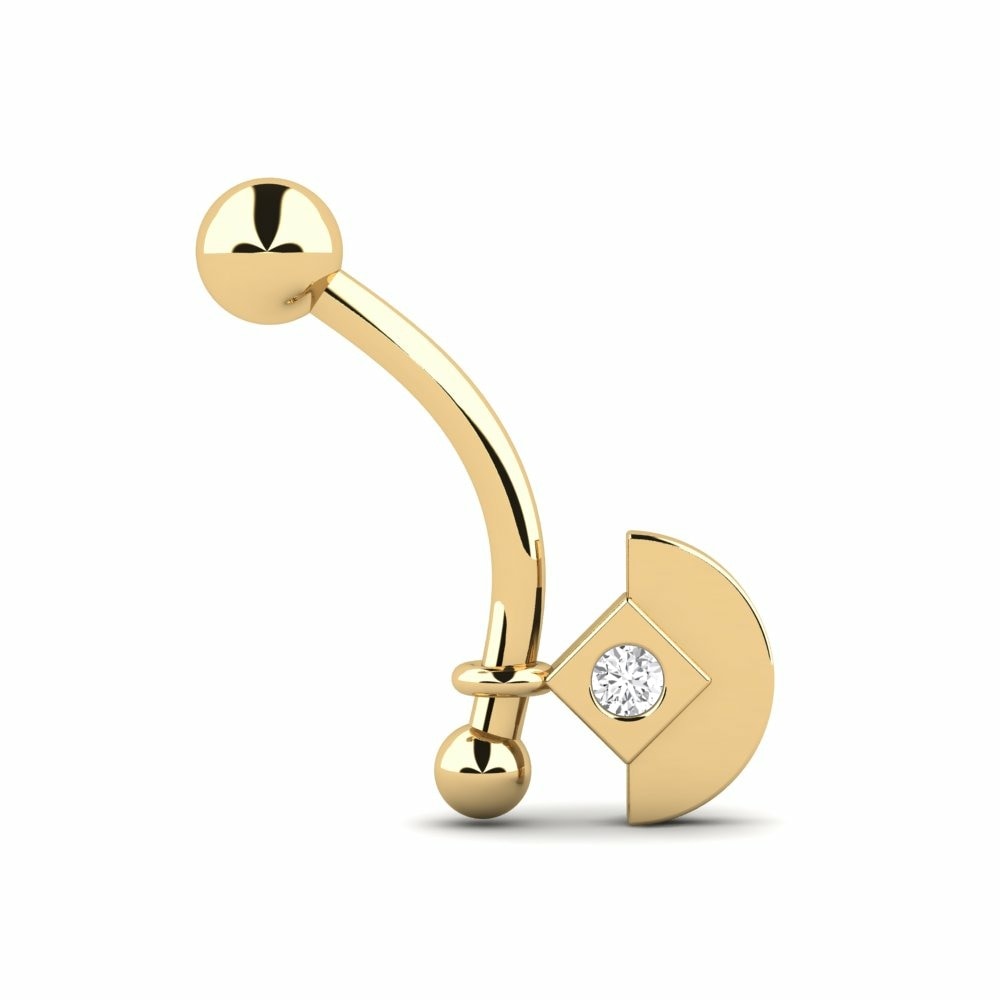
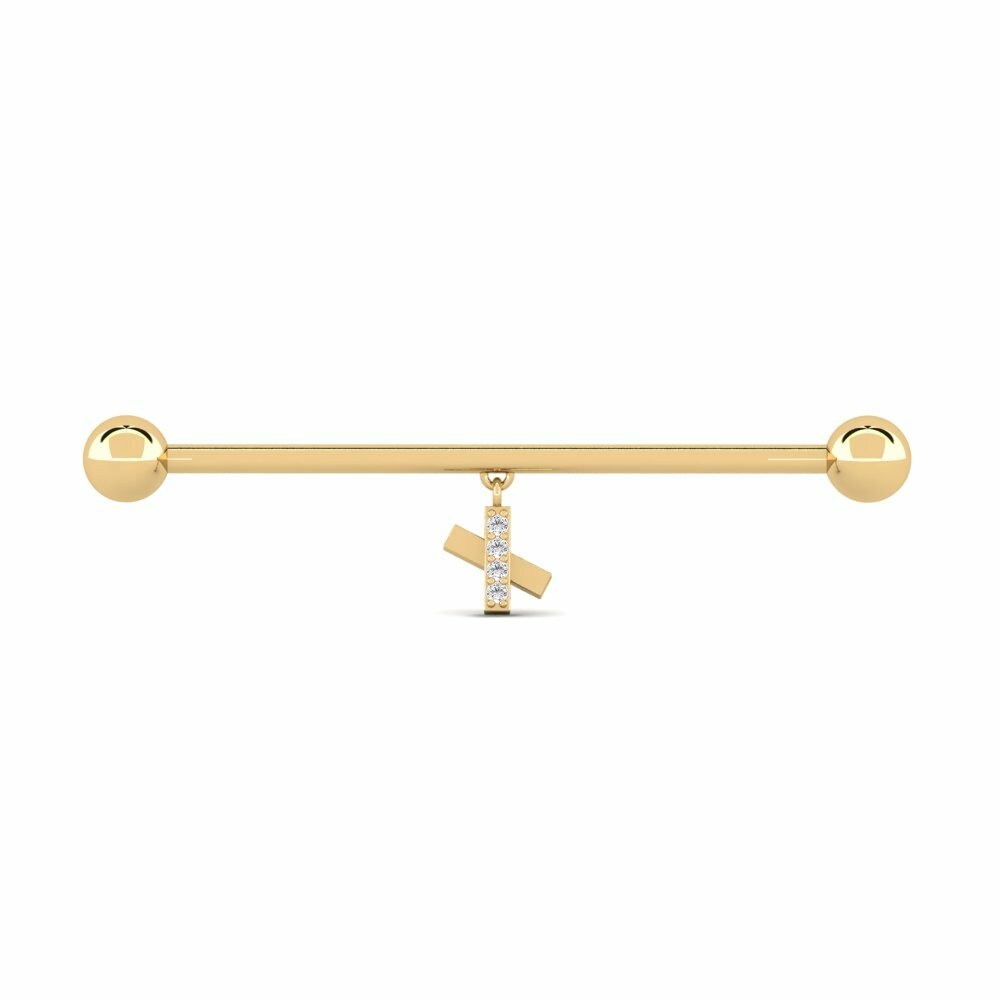
£201.00from £126 - Ear Piercing Hlanganisa 14ct Yellow Gold & White Sapphire & White Pearl
0.024 ct - AAA
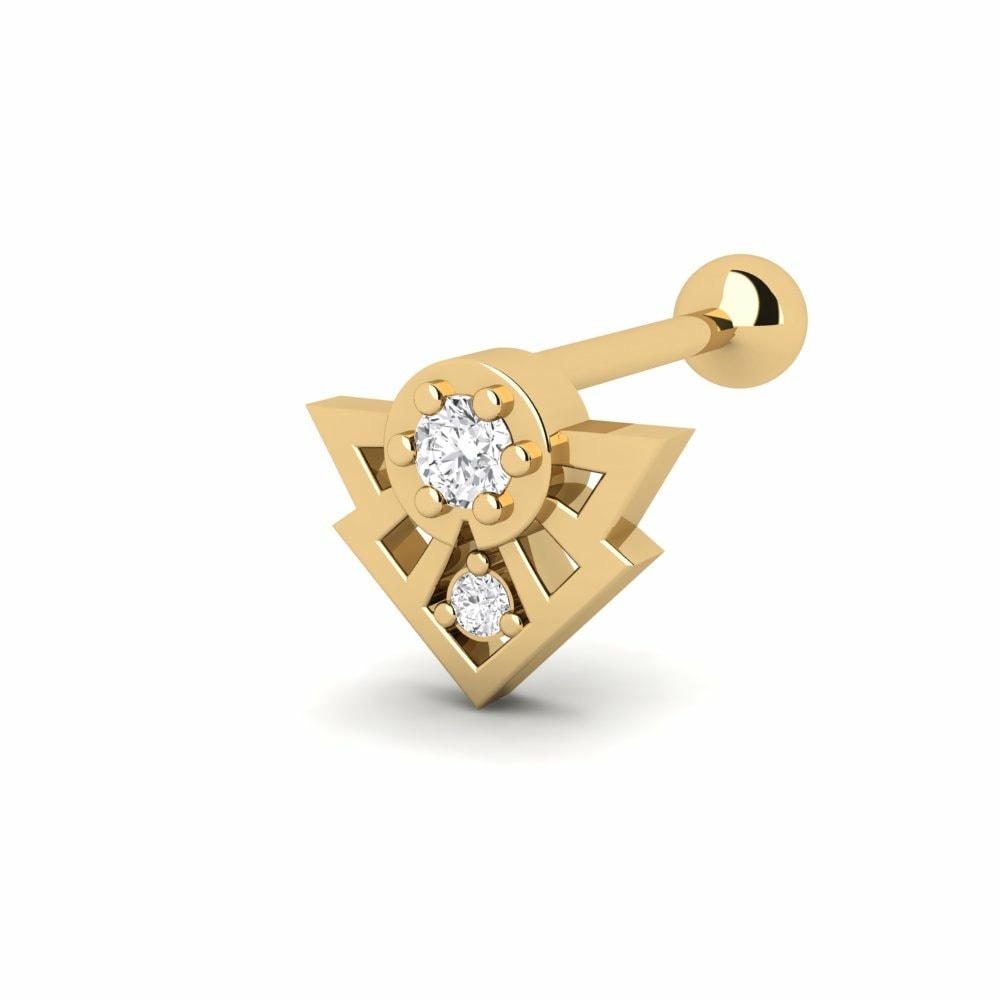
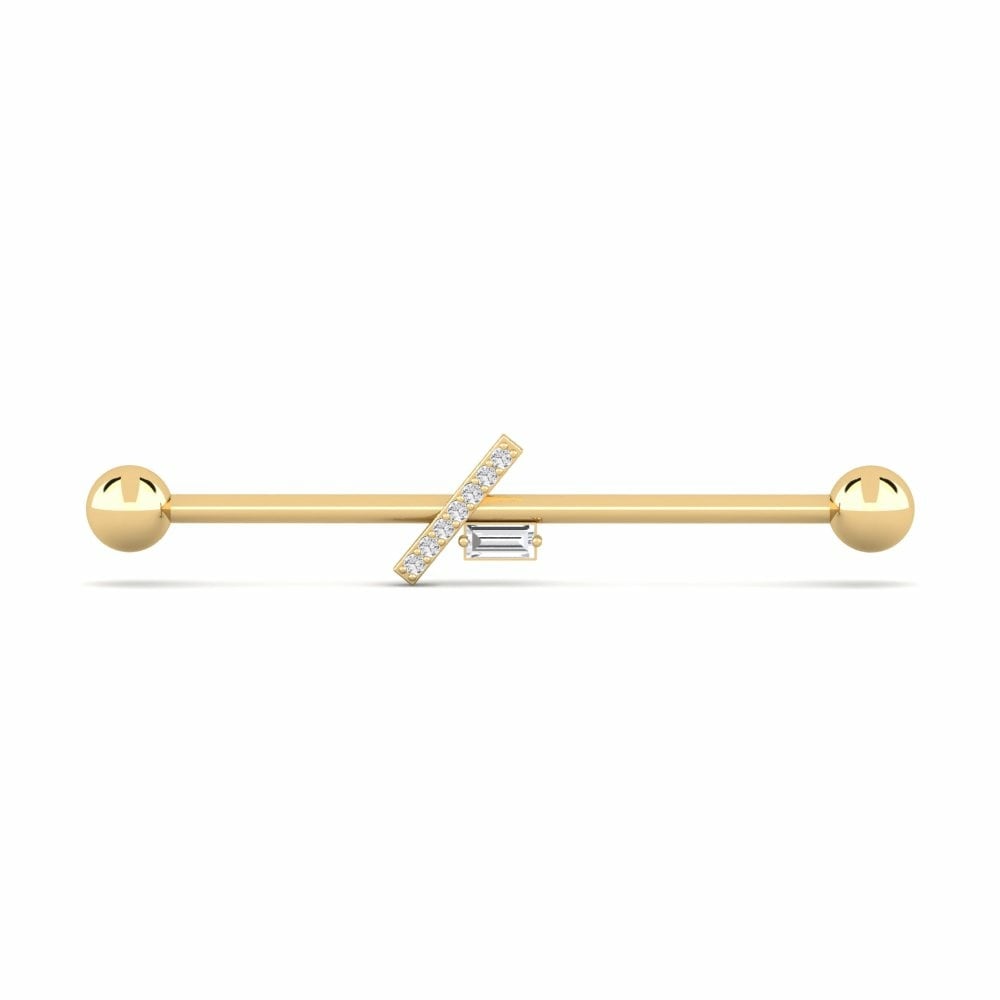
£210.00from £127 - Ear Piercing Kholino 14ct Yellow Gold & White Sapphire & White Pearl
0.008 ct - AAA
£201.00from £126 - Ear Piercing Melanje 14ct Yellow Gold & White Sapphire & White Pearl
0.06 ct - AAA
£686.00from £179 - Ear Piercing Campurkan 14ct Yellow Gold & White Sapphire & White Pearl
0.036 ct - AAA
£189.00from £125 - Ear Piercing Susulu 14ct Yellow Gold & White Sapphire & White Pearl
0.012 ct - AAA
£178.00from £125 - Ear Piercing Svjetlo 14ct Yellow Gold & White Sapphire & White Pearl
0.024 ct - AAA
£179.00from £125 - Ear Piercing Whakaranu 14ct Yellow Gold & White Sapphire & White Pearl
0.036 ct - AAA
£632.00from £175 - Ear Piercing Metinis 14ct Yellow Gold & White Sapphire & White Pearl
0.016 ct - AAA
£632.00from £176
You’ve viewed 60 of 104 products
Cartilage Earrings & Piercing Jewellery FAQ
A cartilage ear piercing is a piercing placed through the firm, flexible tissue in the upper ear, including the helix, tragus, conch, rook, or daith. It differs from a lobe piercing in that the tissue is denser and takes longer to heal, usually 6 to 12 months depending on the exact location.
GLAMIRA offers over 3000+ customisable designs, including 104 cartilage ear piercing styles, each handcrafted to order and backed by a lifetime warranty. Every order includes free engraving, free UK delivery, and 60-day returns. Diamonds are certified by GL and GIA, and over 60 variations per design let you customise the metal, gemstone, and carat weight to your preference.
For sensitive cartilage ear piercings, 14ct or 18ct gold is widely recommended due to its low nickel content and hypoallergenic properties. Platinum and medical-grade titanium are also suitable alternatives. GLAMIRA cartilage jewellery is available in 9ct, 14ct, and 18ct gold, as well as sterling silver and platinum.
Clean cartilage ear piercing jewellery with a soft cloth dampened with mild soapy water, then rinse and dry thoroughly. Avoid harsh chemicals, alcohol, or chlorine, and polish gold pieces with a jewellery cloth to maintain the finish. Remove jewellery before swimming or sleeping to extend its lifespan.
Cartilage piercings are generally reported to cause slightly more discomfort than lobe piercings because the cartilage tissue is firmer and less flexible. The pain is brief during the actual piercing, and most people describe it as a quick pressure or pinch rather than ongoing soreness.
Cartilage jewellery brings definition and sparkle to your ear stack
Cartilage earrings are designed for piercings through the firmer upper and inner areas of the ear, offering a precise way to build a layered, personal look. A small gemstone stud can create a quiet point of light, while a hoop or curved design adds movement and shape around the ear. Whether you favour a minimal arrangement or a more expressive ear curation, cartilage ear jewellery makes each placement feel intentional. Choose polished metal for a clean finish, diamond cartilage earrings for enduring brilliance, or a coloured stone to introduce contrast. Consider the scale of each piece alongside your existing earrings, so your chosen cartilage piercing jewellery sits comfortably and complements your overall style.
Helix, tragus and conch placements each call for a considered jewellery style
Cartilage ear piercings can be styled in many ways, with the placement helping to determine the silhouette that feels most natural. Helix earrings follow the outer rim of the ear and suit petite studs, close-fitting hoops and delicate designs. A tragus piercing sits at the small flap in front of the ear canal, where compact cartilage studs and flat back earrings offer a neat, streamlined appearance. The central bowl of the ear provides room for conch earrings, from a single sparkling stud to a hoop that frames the ear.
| Placement | Typical jewellery type | Typical healing time |
|---|---|---|
| Helix | Stud or hoop | 6 to 12 months |
| Tragus | Flat-back stud | 6 to 12 months |
| Conch | Stud or hoop | 6 to 12 months |
| Flat | Flat-back stud | 6 to 12 months |
| Rook | Curved barbell | 6 to 12 months |
Healing varies between individuals and placements, so a professional piercer can advise on suitable dimensions. For a classic luminous finish, browse Diamond cartilage earrings or modern Lab Grown Diamond designs. Add rich colour with Emerald, Ruby or Sapphire jewellery. For distinctive tones, explore Black Diamond, Pink Sapphire and Moissanite cartilage piercing jewellery.
Thoughtful metal choice matters for cartilage piercing comfort
Titanium and high-quality gold are widely chosen materials for cartilage jewellery, particularly when comfort and skin sensitivity are priorities. For a fresh piercing, follow your professional piercer’s recommendation on suitable jewellery material, fit and closure, as a newly pierced area needs different consideration from a fully healed one. Titanium is valued for being lightweight and is commonly selected by people seeking a hypoallergenic option. Gold cartilage earrings in 9ct, 14ct or 18ct gold offer different balances of gold content and durability, with 9ct and 18ct gold being two classic British finenesses. Avoid changing a fresh piercing without professional guidance, and reserve intricate designs or less practical closures for when the piercing has healed. In the UK, hallmarking is an important form of consumer protection, carried out through assay offices in London, Birmingham, Sheffield and Edinburgh. When selecting jewellery, also consider a smooth finish, secure fastening and a profile that suits your placement.
What should you know about aftercare and changing cartilage jewellery?
Keep your original cartilage piercing jewellery in place for the healing period advised by your piercer, clean only as directed and avoid unnecessary handling. Cartilage piercings can take time to settle, so patience is more useful than changing jewellery early for a new look. Wash your hands before touching the area, take care when dressing or brushing your hair, and avoid catching the jewellery on headphones, hats or towels. If you are unsure whether a piercing is ready for a change, ask a qualified piercer rather than forcing a fastening or trying a different size.
Once healed, changing cartilage earrings is an opportunity to refine your styling. Check that the bar length, hoop diameter and backing style are appropriate for the placement. Flat back earrings are often chosen where a smooth rear profile is preferred, while a hoop may suit a healed helix or conch. Clean jewellery according to the care guidance supplied, and remove it carefully if a fastening feels tight. For concerns about a piercing’s condition, seek advice from an appropriate professional.
GLAMIRA cartilage earrings are made to reflect your individual style
GLAMIRA offers handcrafted-to-order cartilage earrings that let you choose a design with the metal and stone character that speaks to you. Select a clear diamond look, a vivid gemstone colour or refined gold cartilage earrings to suit a single placement or a complete ear story. Each piece is created with close attention to its finishing details, so it feels as considered as the occasion behind it. Free UK delivery, 60-day returns and a lifetime warranty offer added reassurance when choosing jewellery for yourself or as a gift. From Christmas and Valentine’s Day to milestone birthdays and anniversaries, a carefully selected cartilage piece can mark a moment beautifully.