- Best Sellers
- Best Sellers
- Best Sellers
- Best Sellers
- Best Sellers
- Best Sellers
- Best Sellers
- Best Sellers
- Best Sellers
- Best Sellers
- Best Sellers
- Best Sellers
- Best Sellers
- Best Sellers
- Best Sellers
- Best Sellers
- Best Sellers
- Best Sellers
- Best Sellers
- Best Sellers
- Best Sellers
- Best Sellers
- Best Sellers
- Best Sellers
- Best Sellers
- Best Sellers
- Best Sellers
- Best Sellers
- Best Sellers
- Best Sellers
- Best Sellers
- Best Sellers
- Best Sellers
- Best Sellers
You’ve viewed 60 of 83 products
Tension Engagement Rings FAQ
What Are Tension Engagement Rings & Who Are They For?
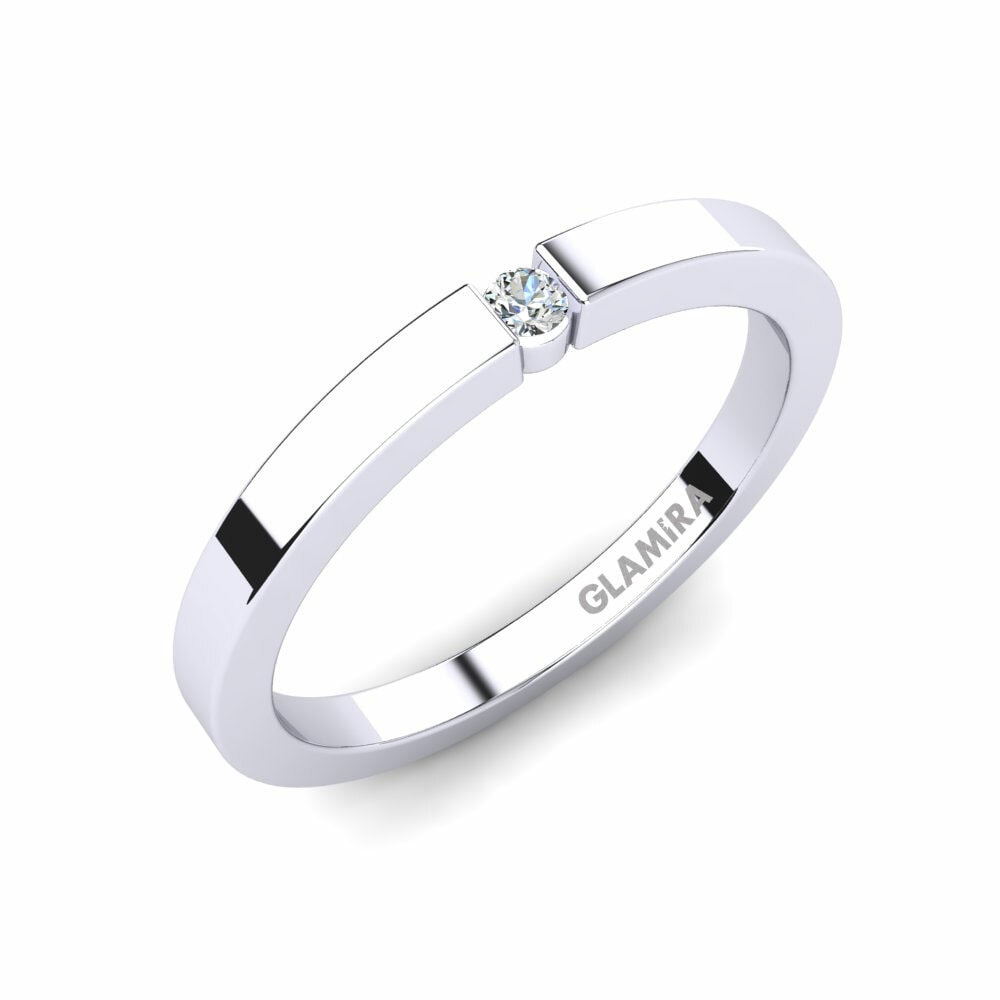
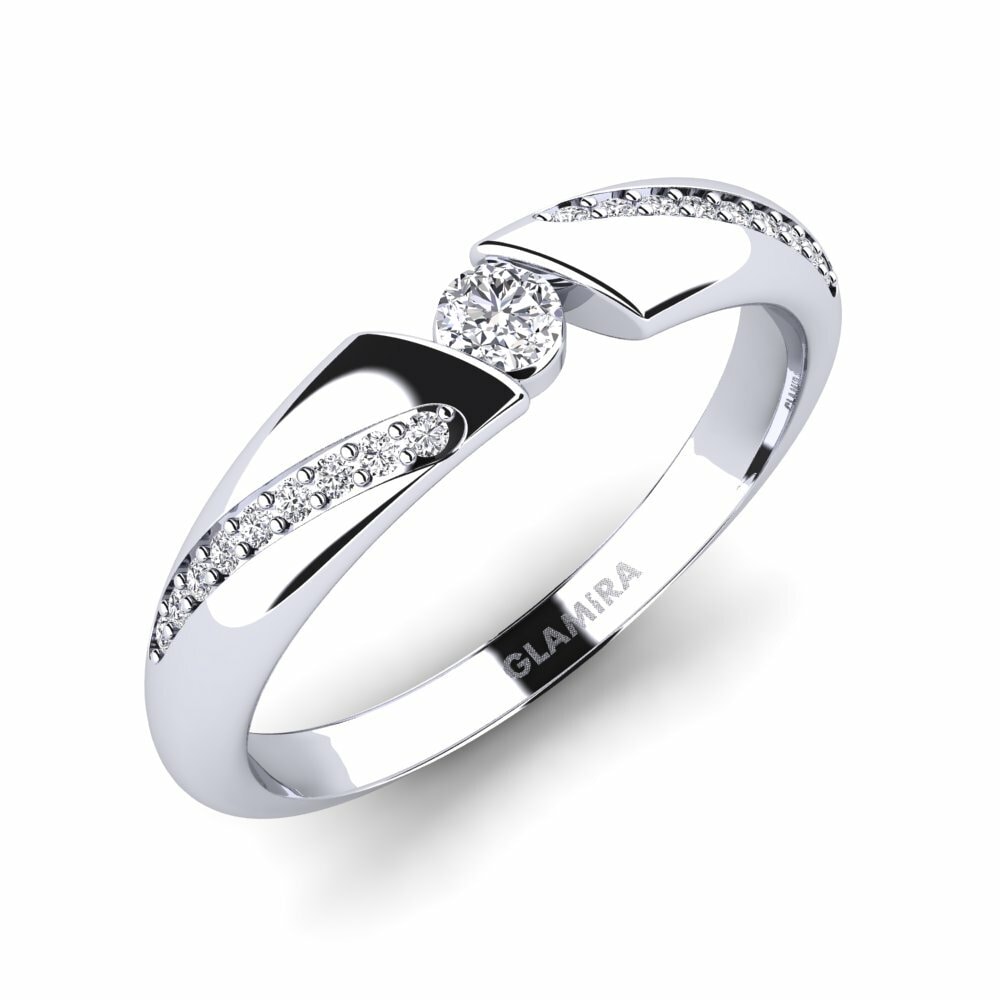
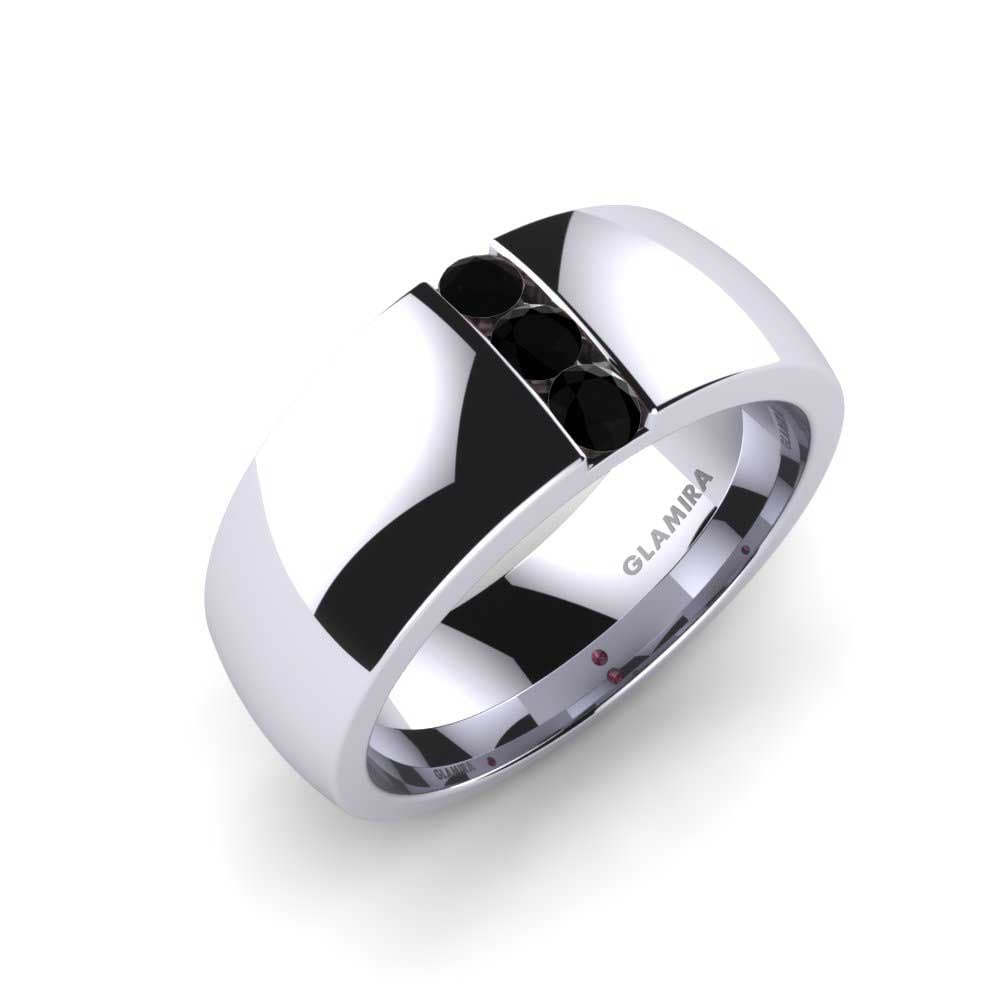
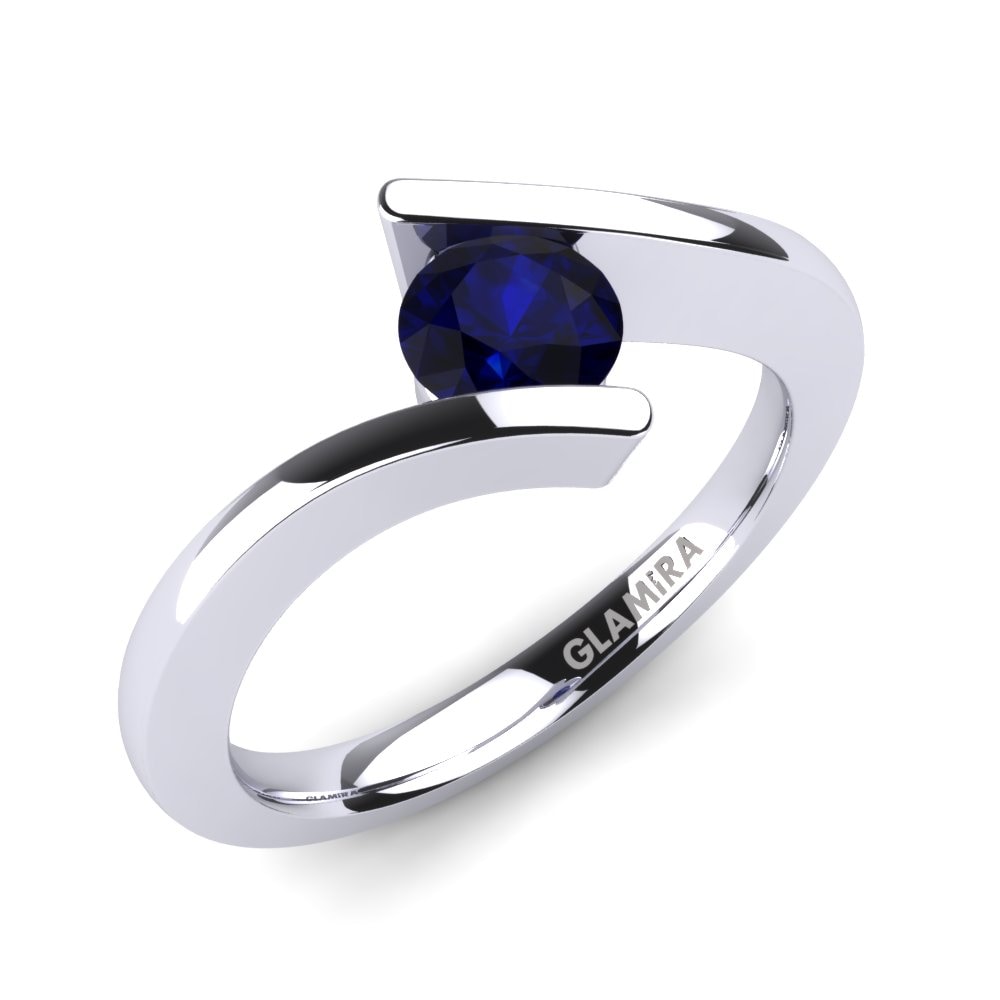
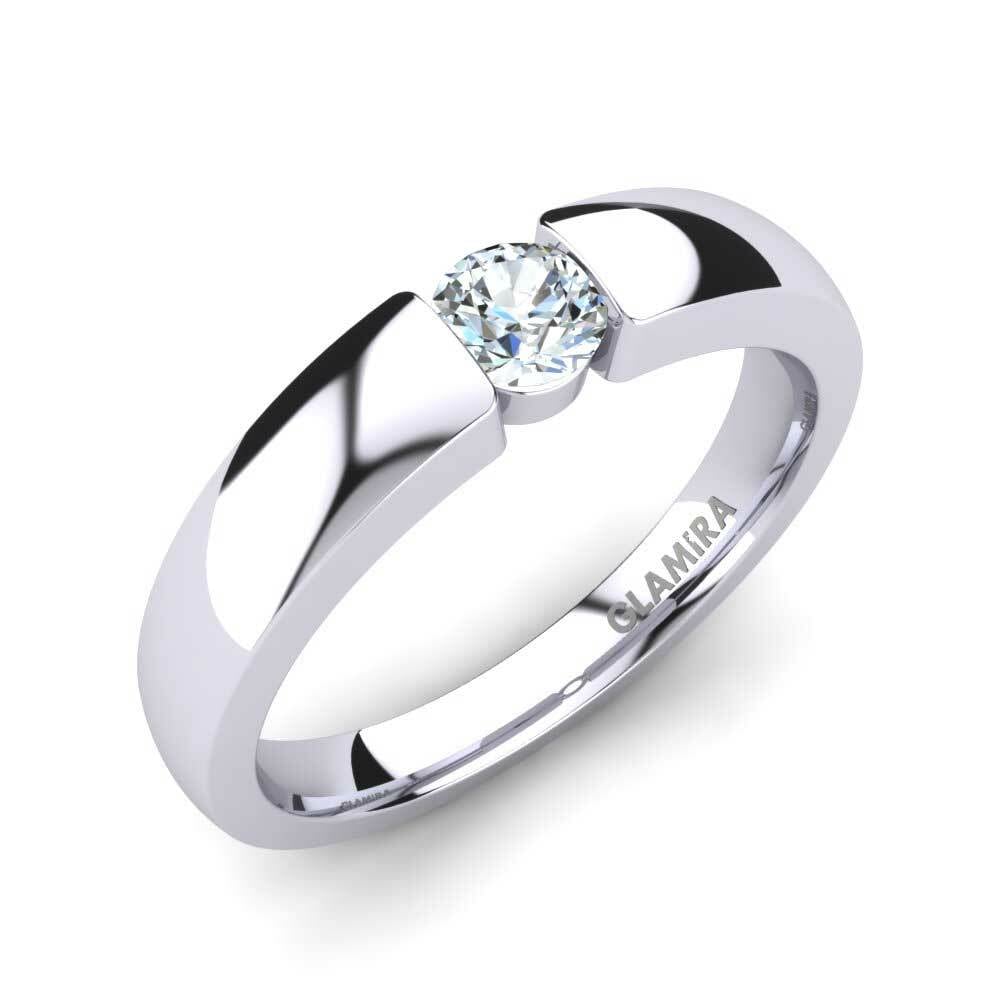
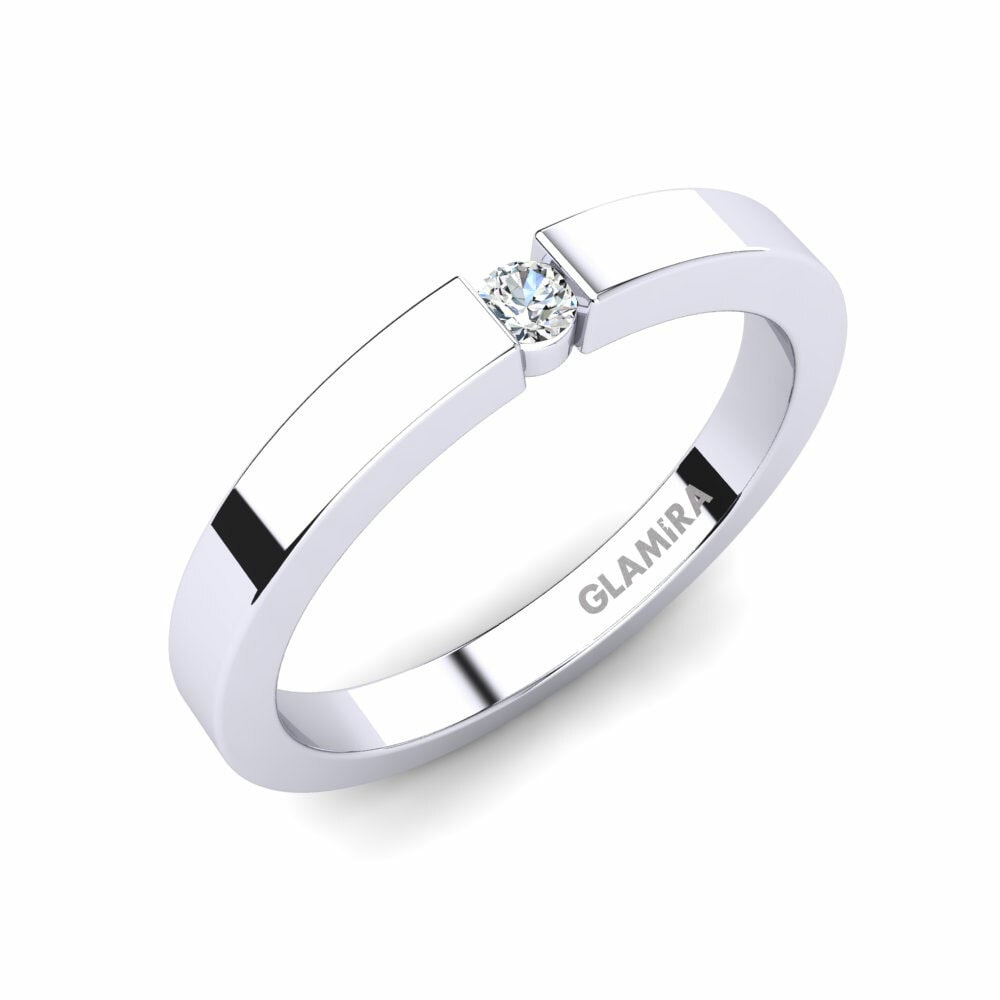
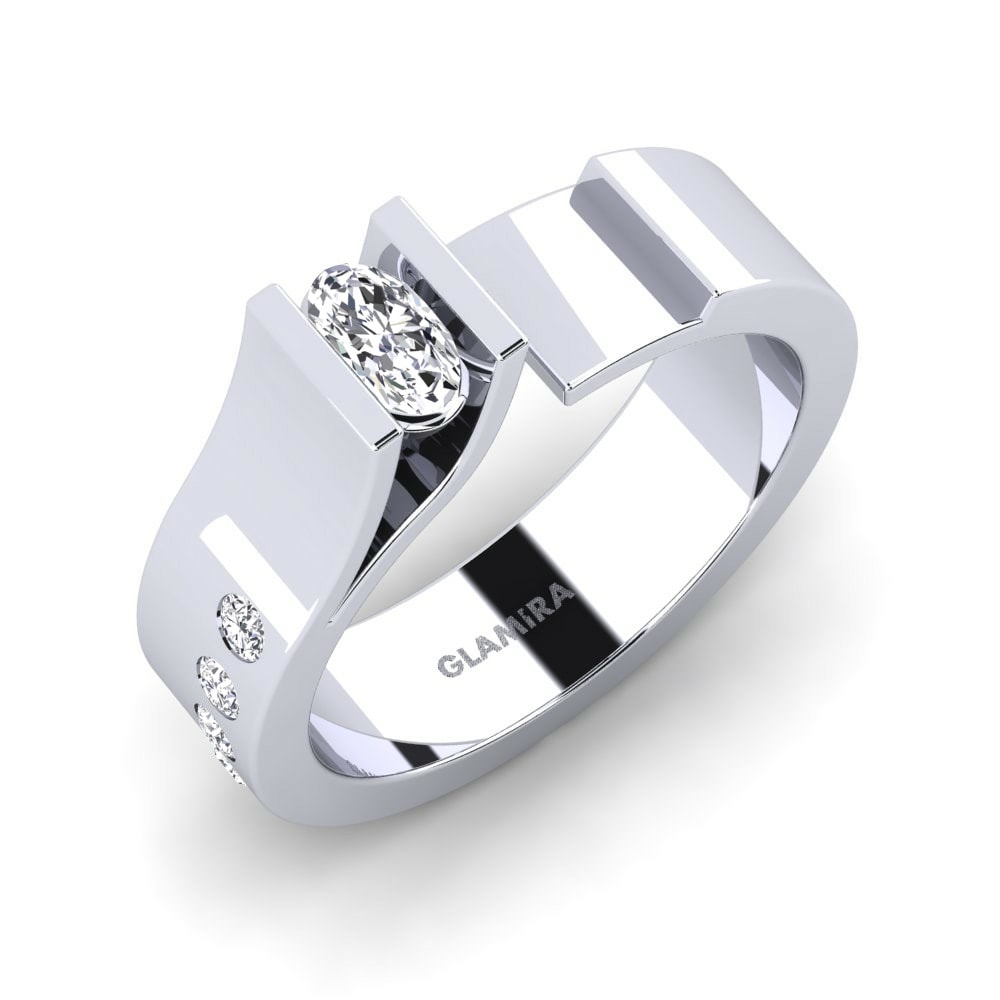
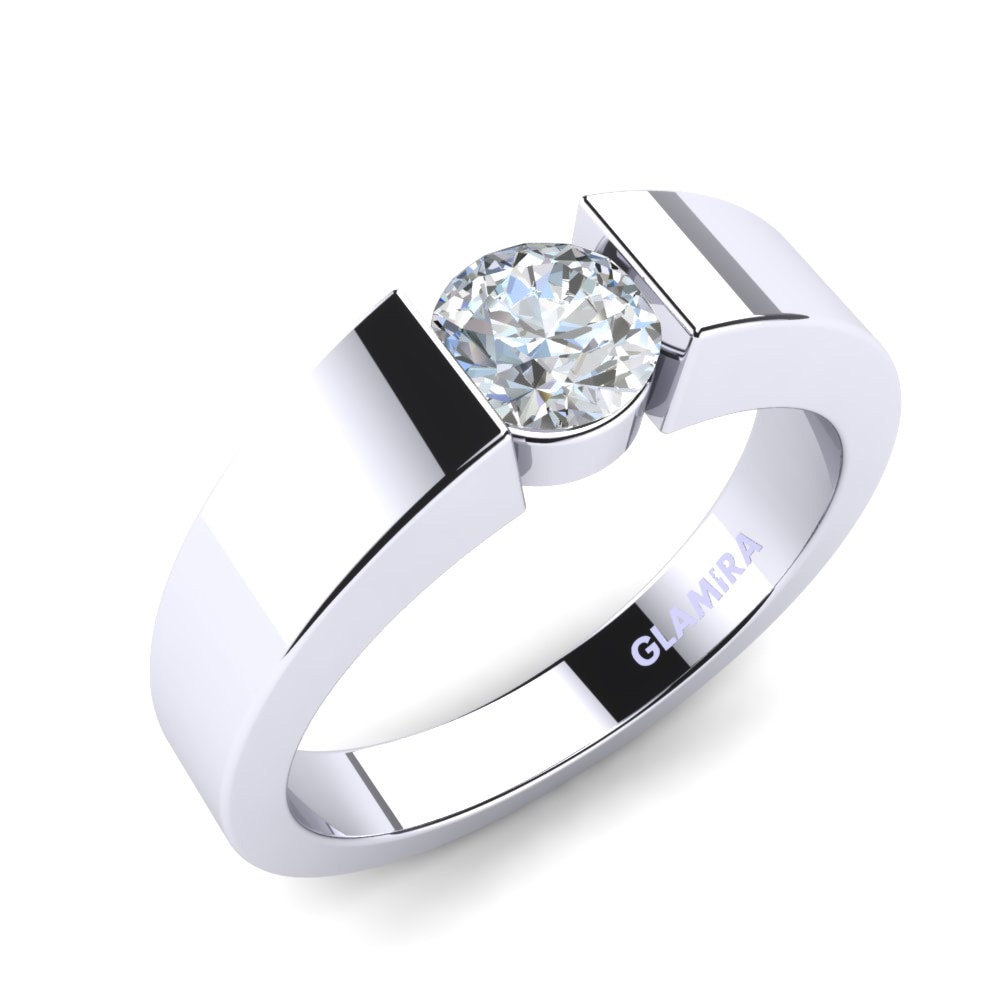
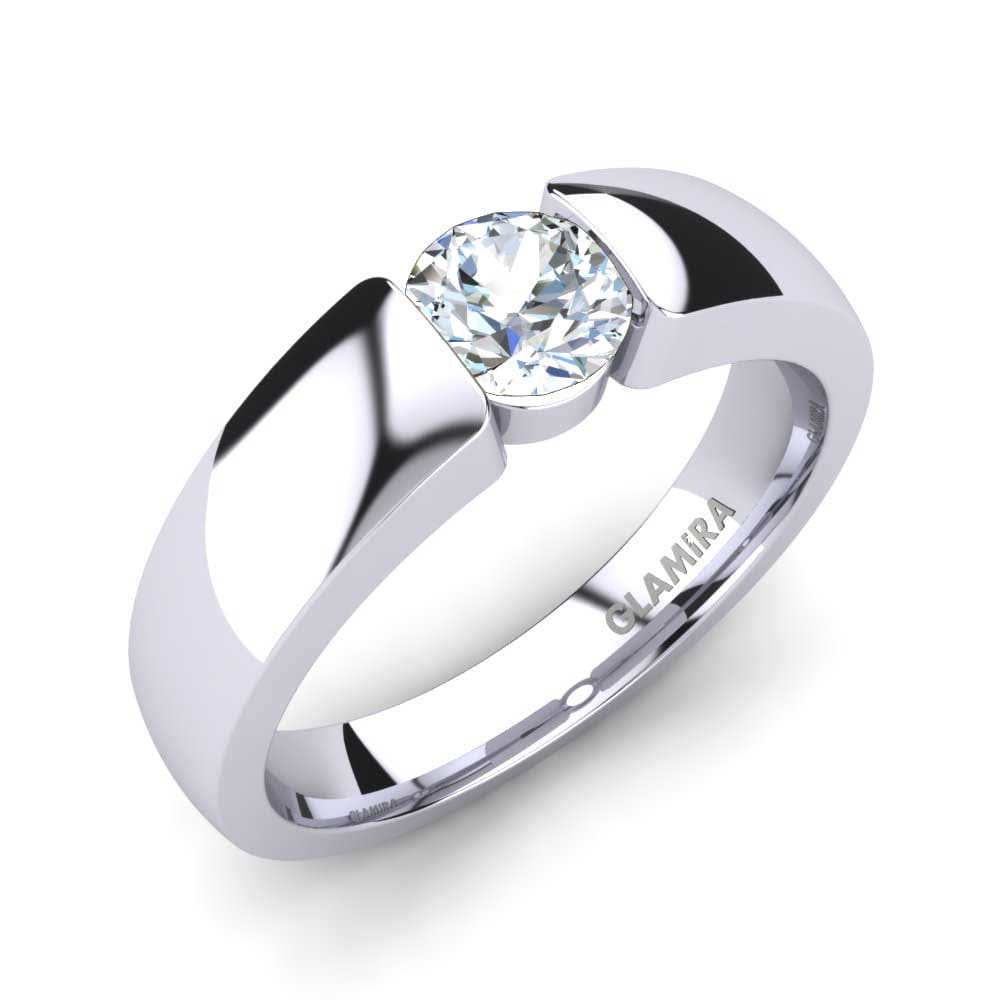
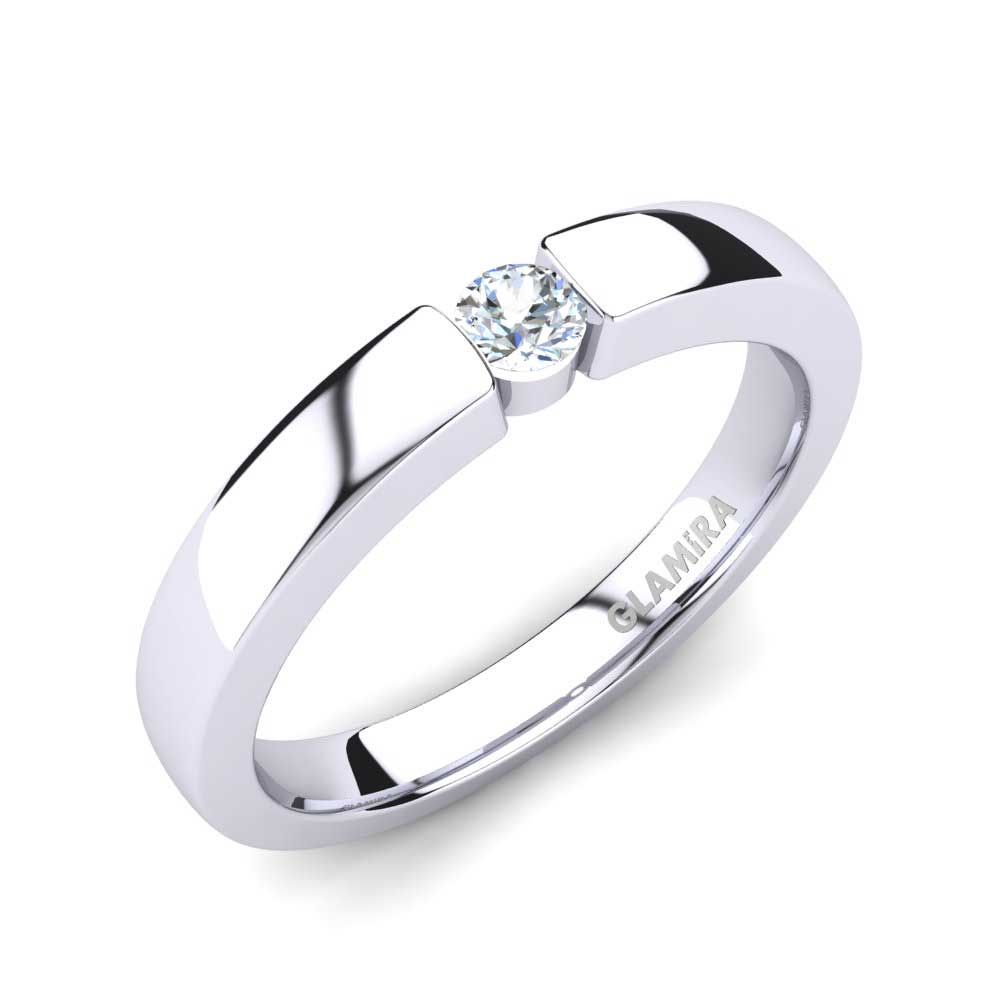
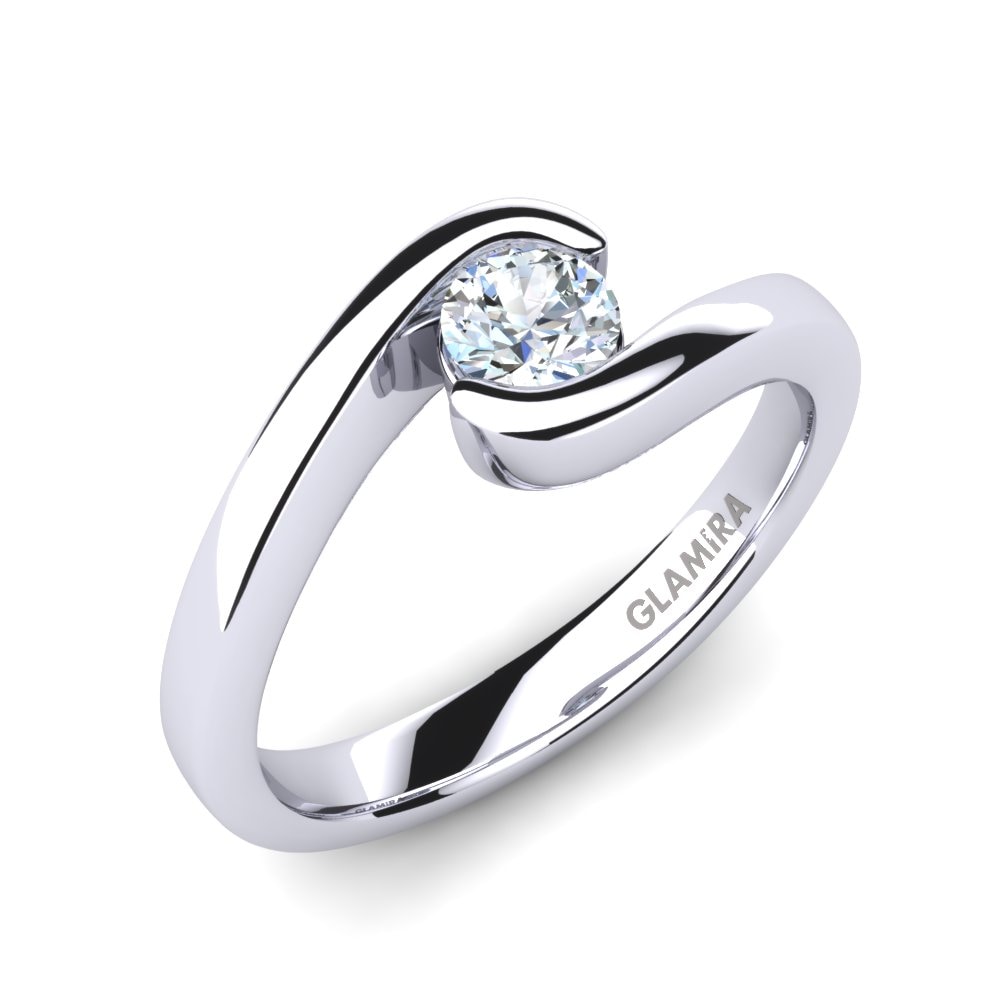
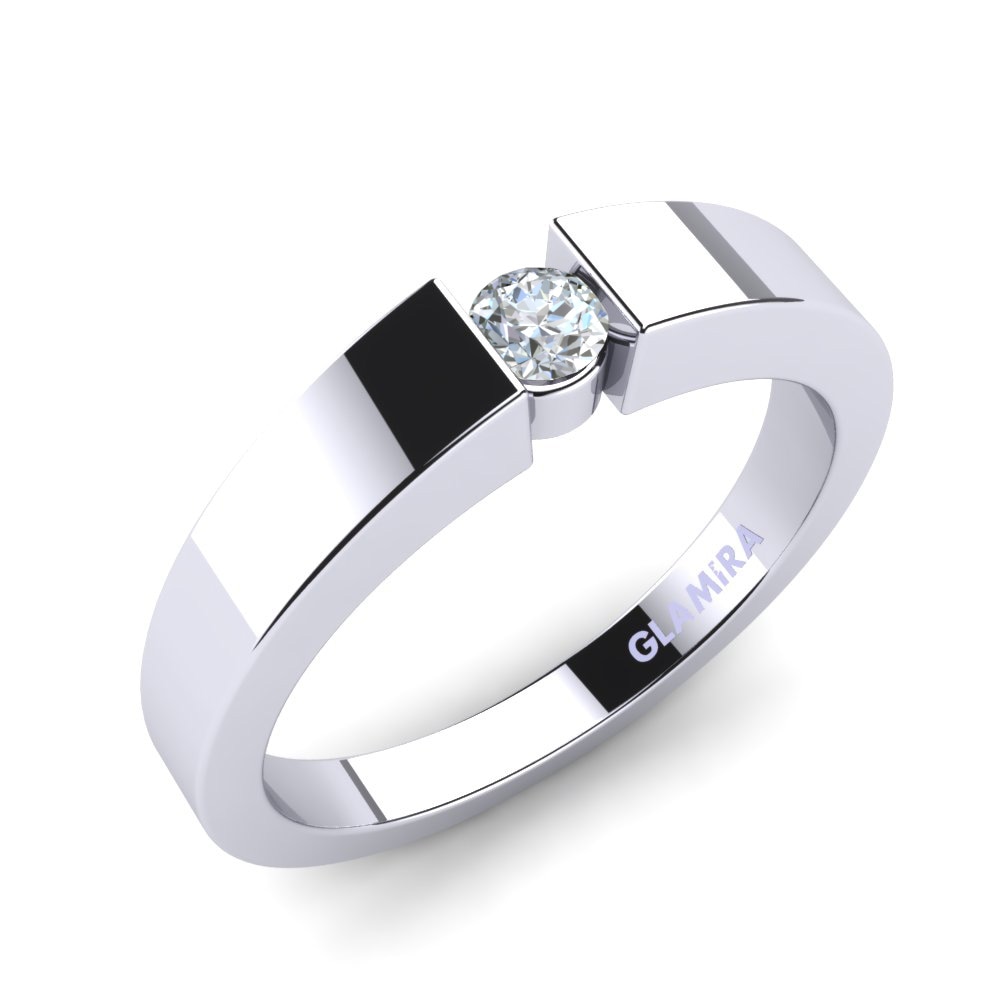
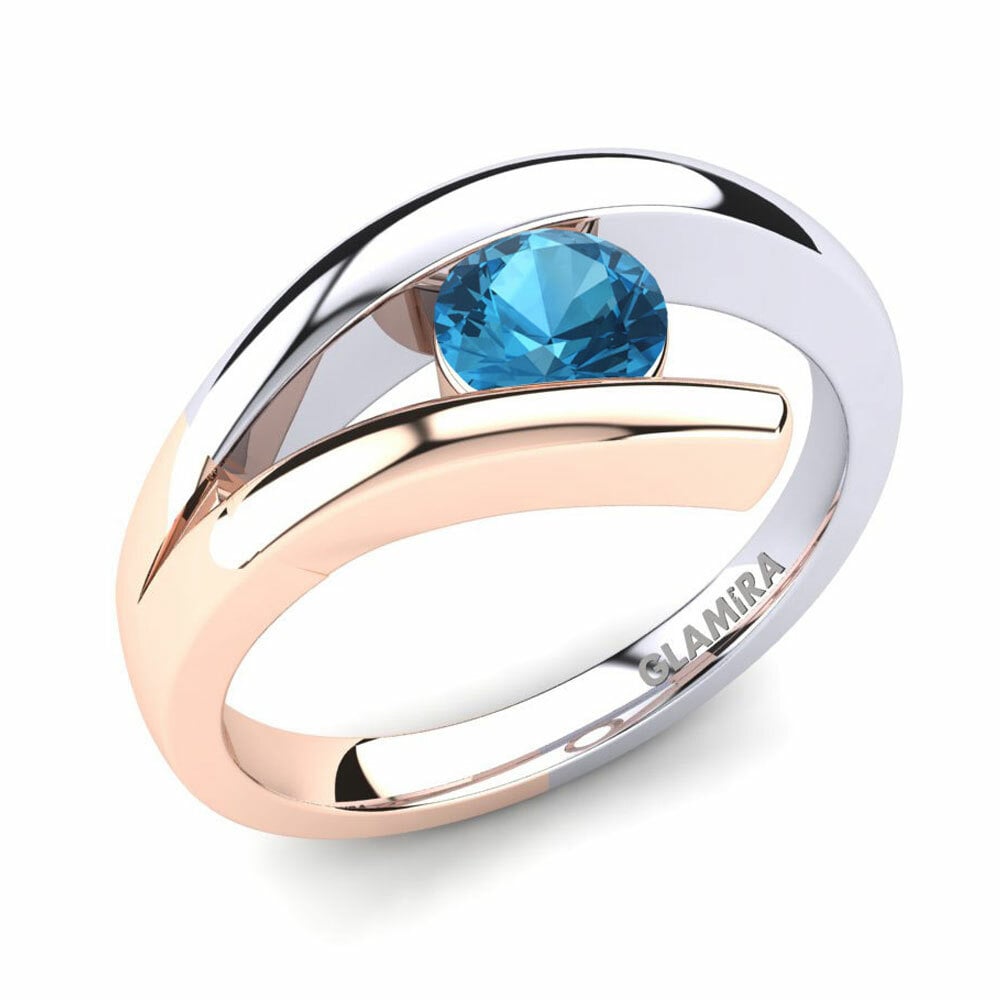
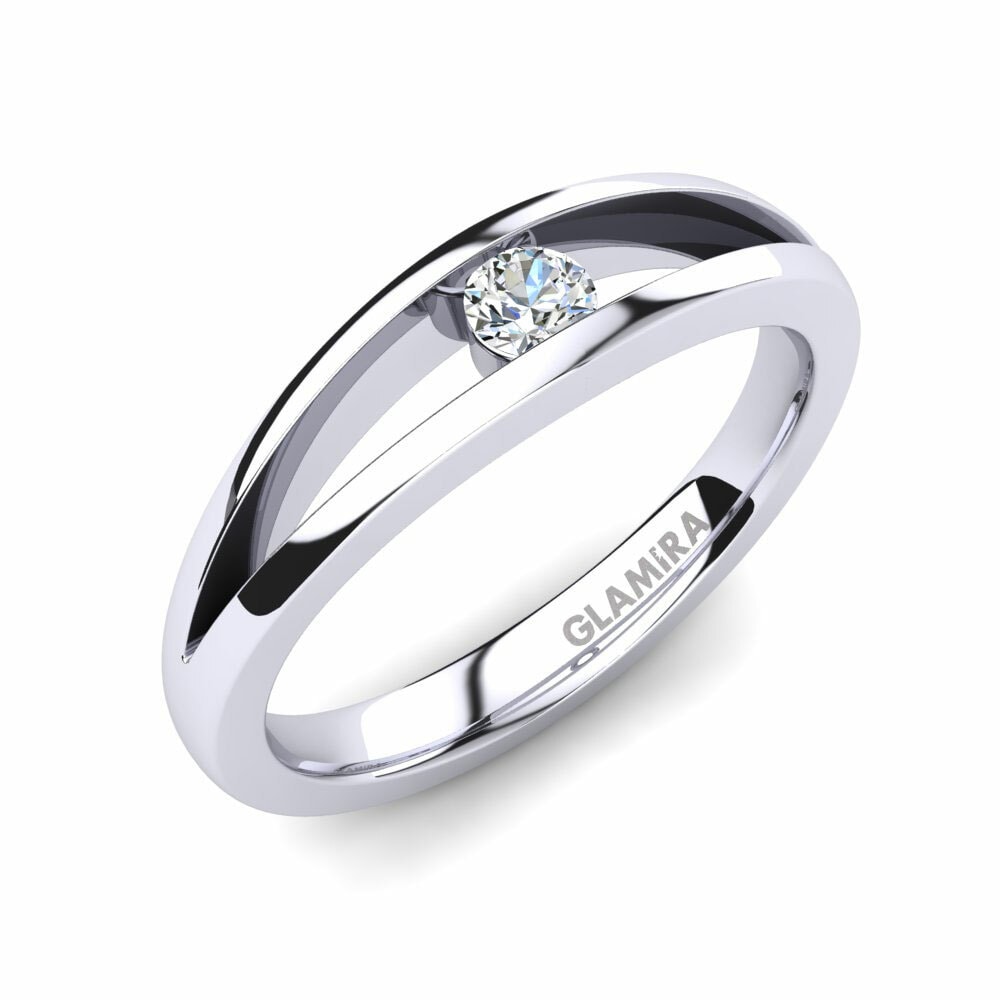
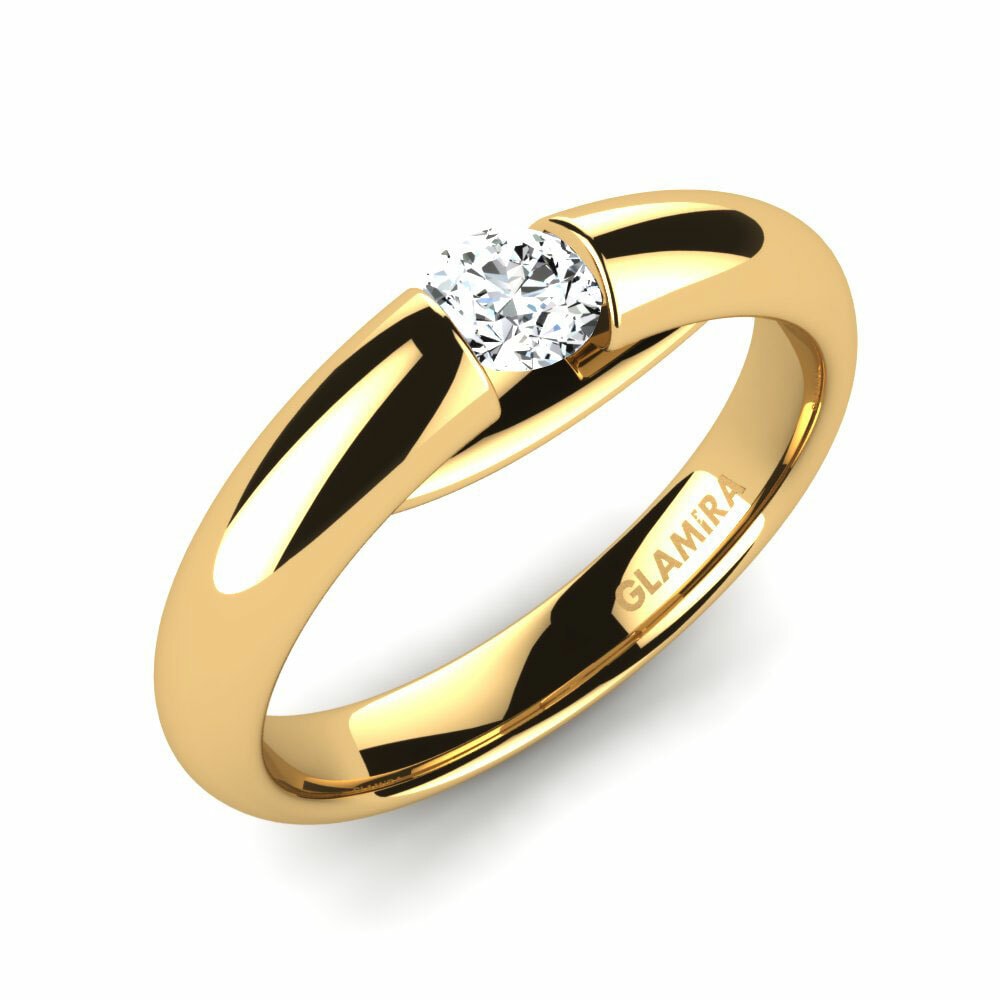
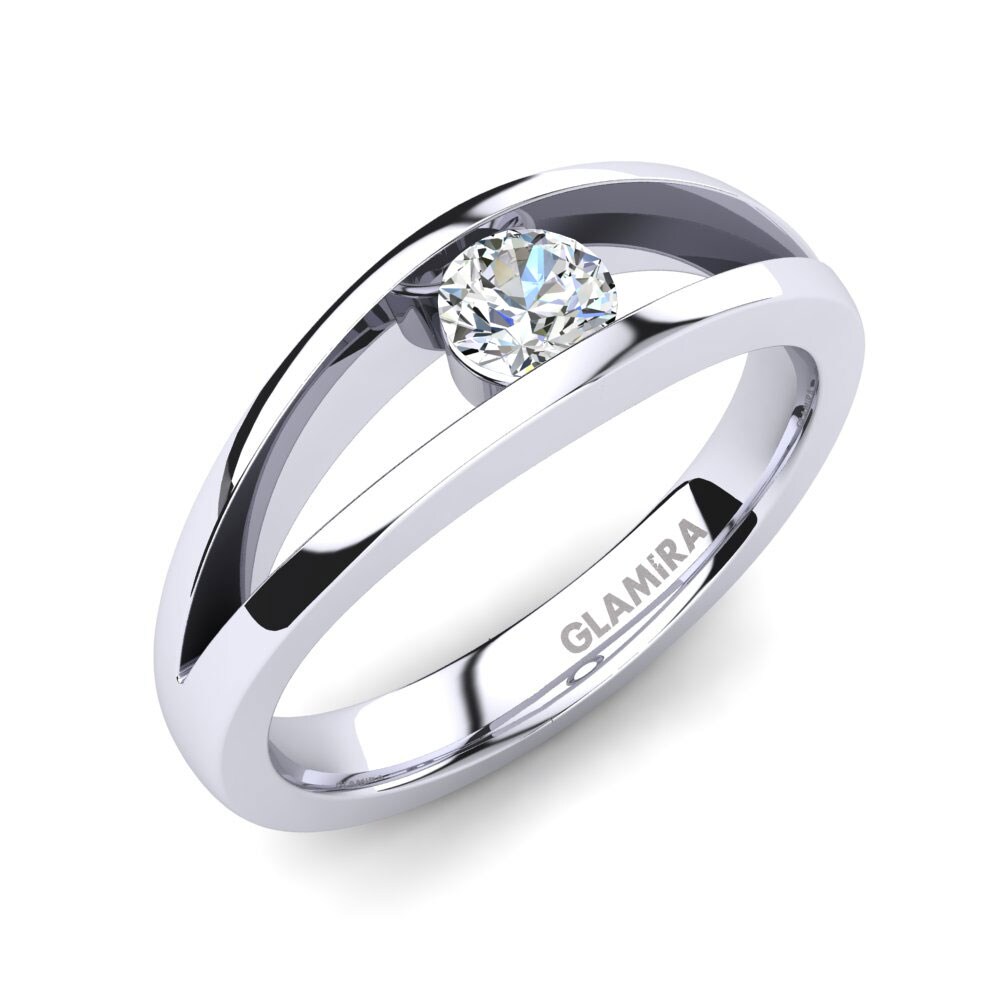
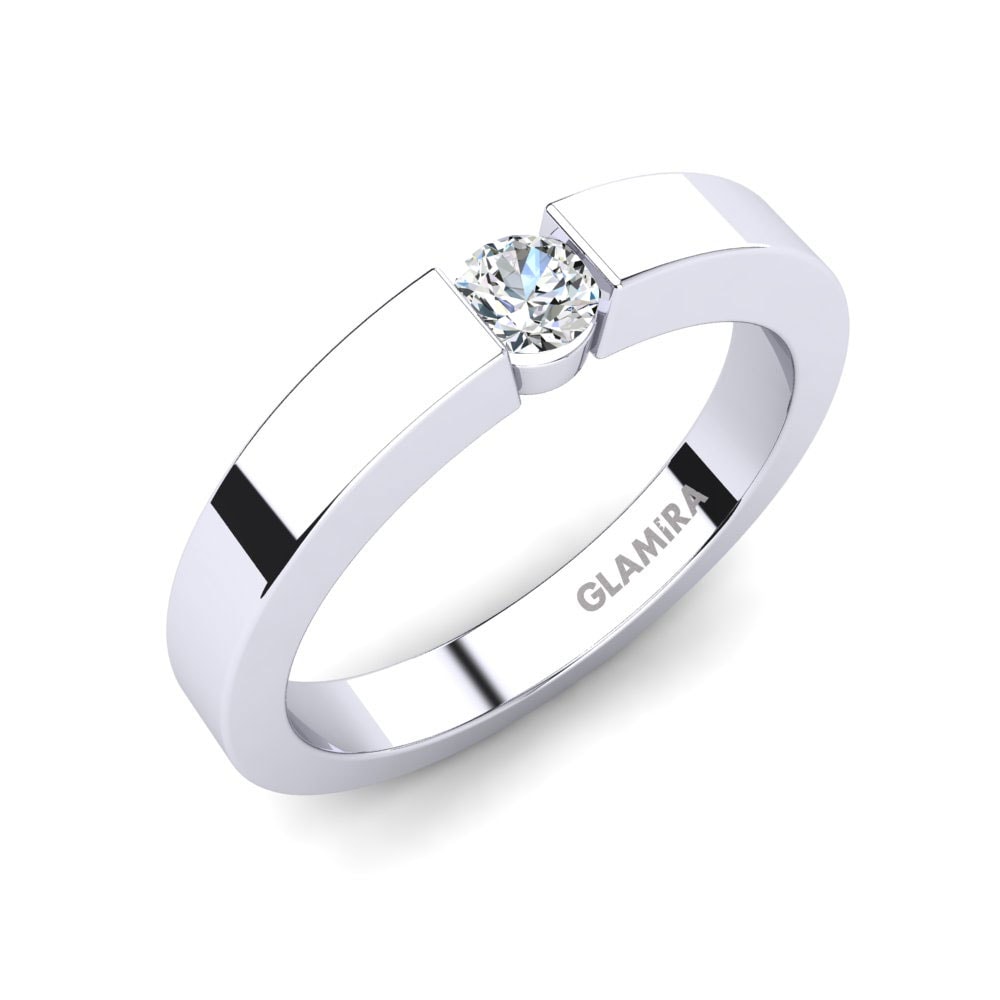
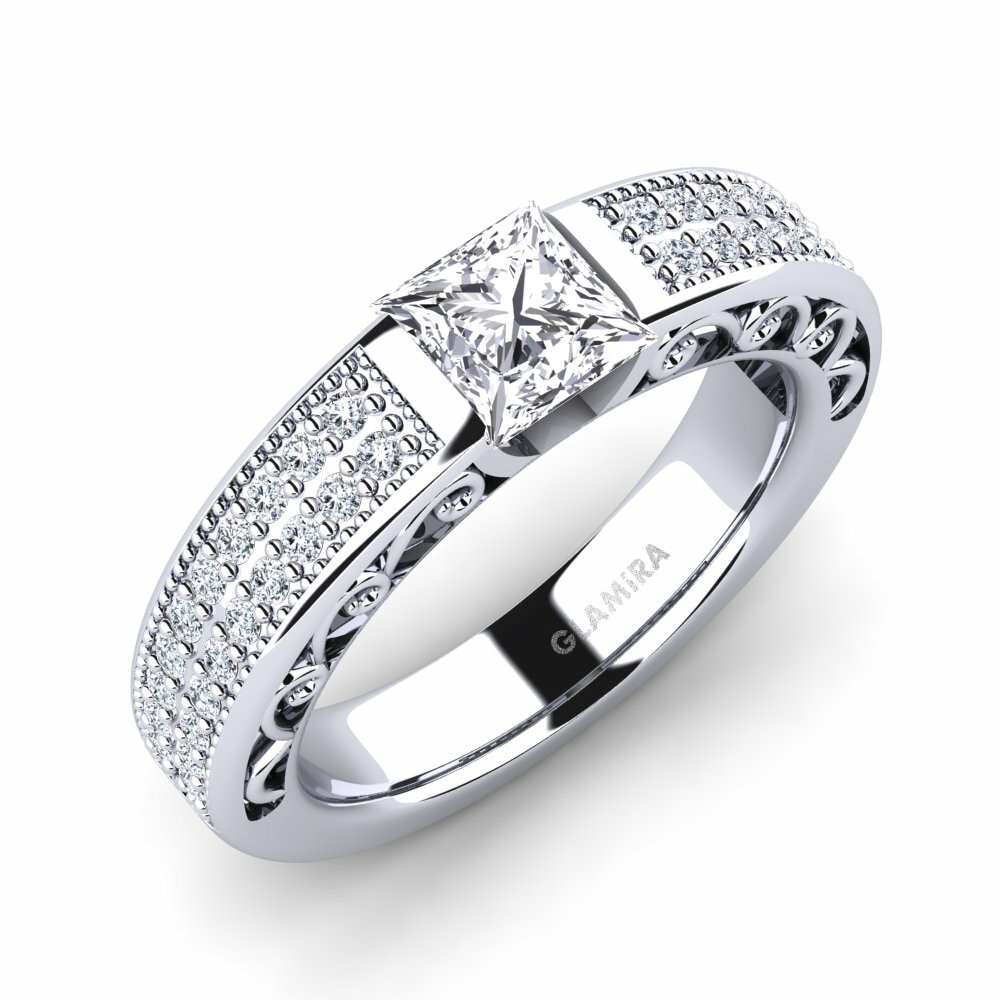
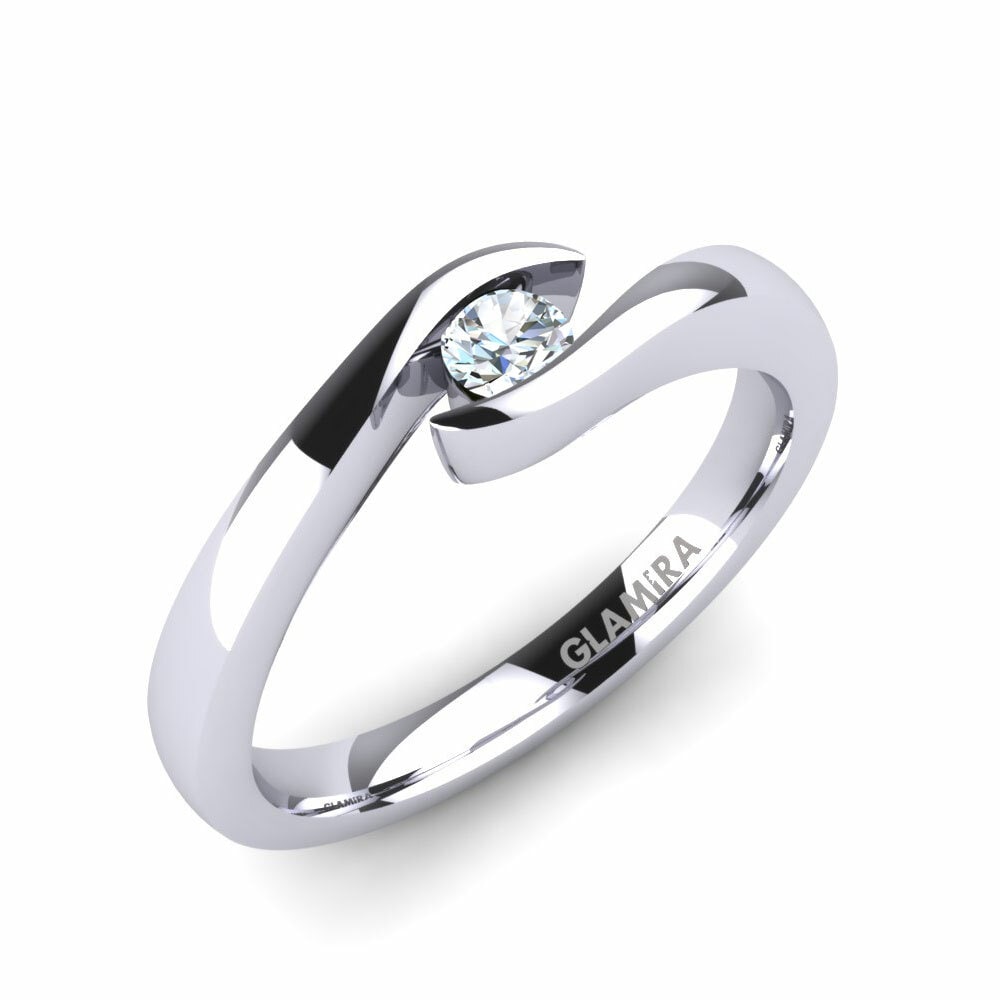
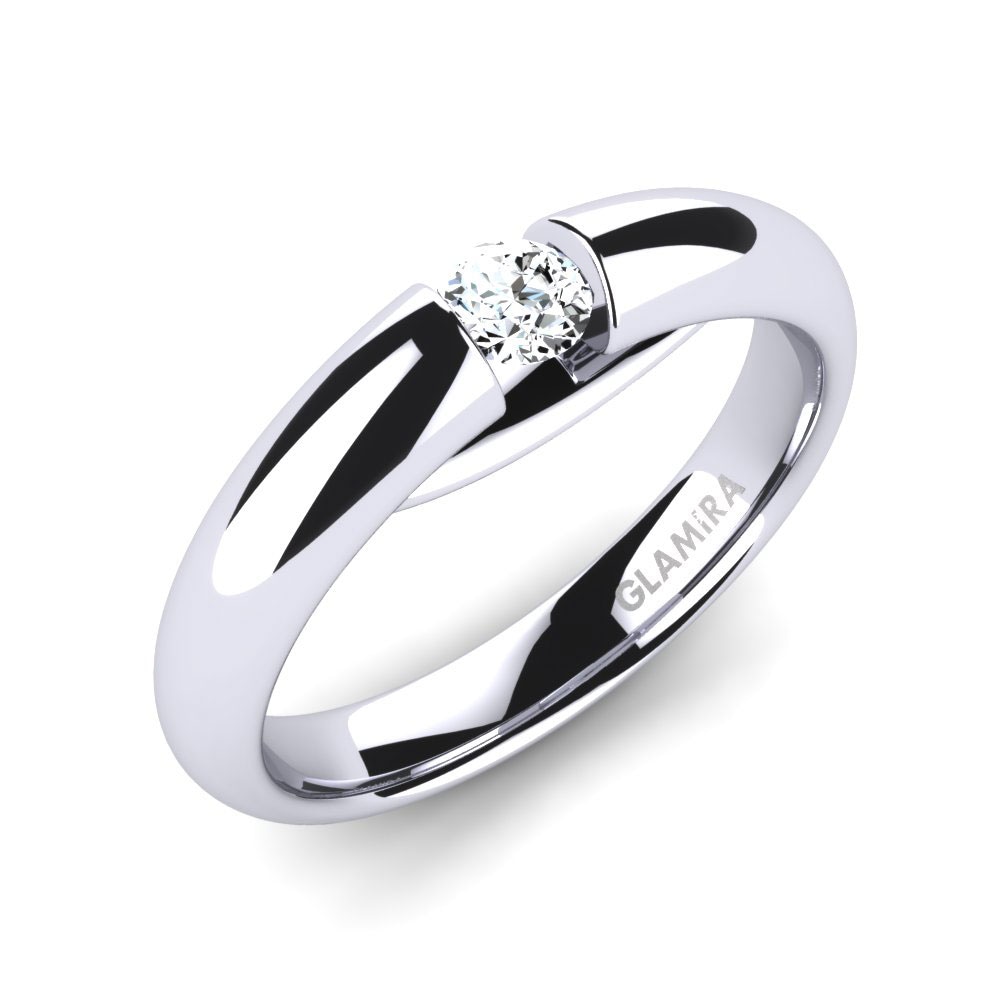
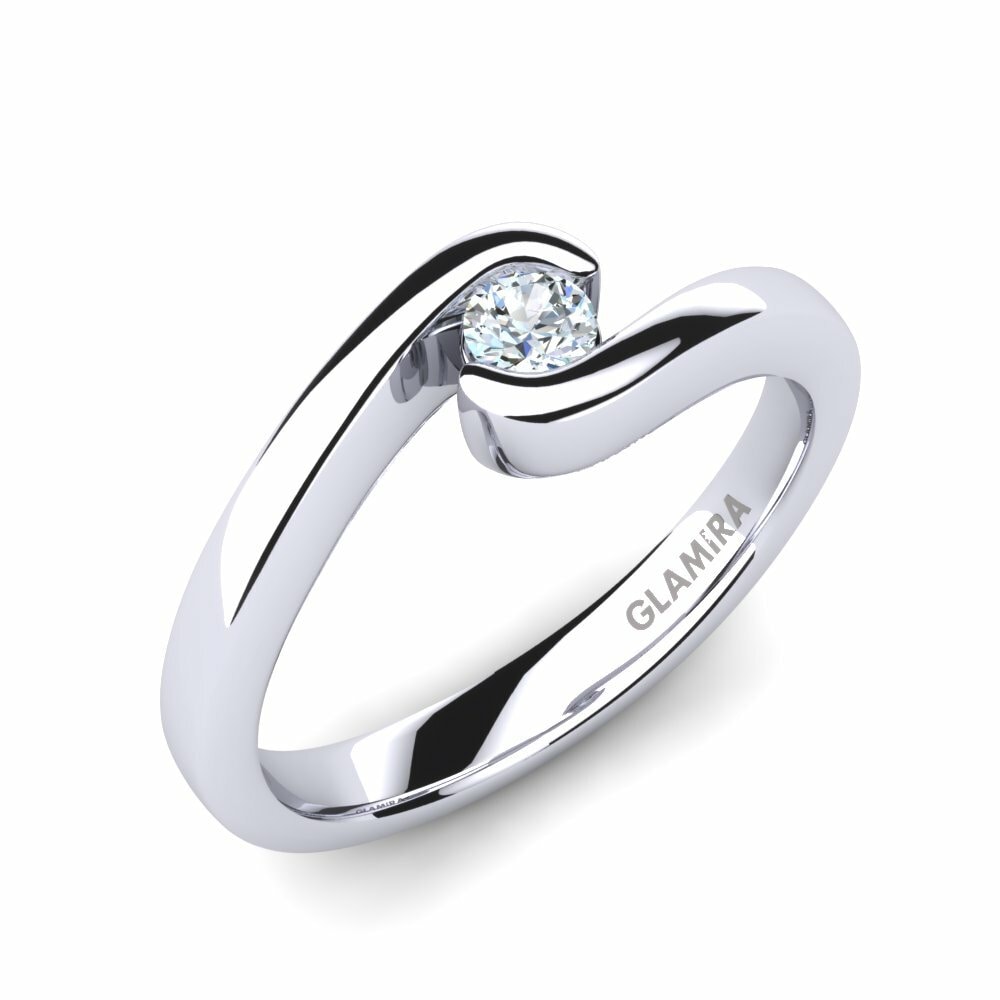
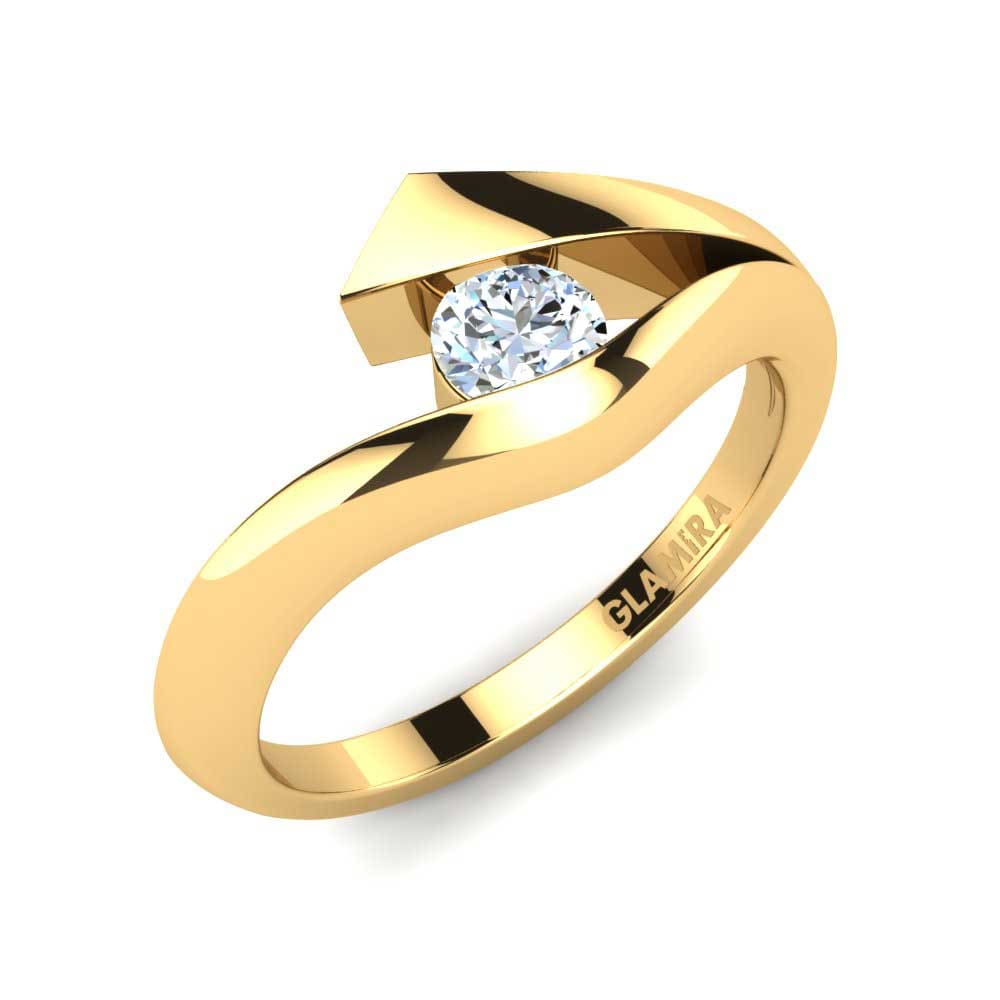
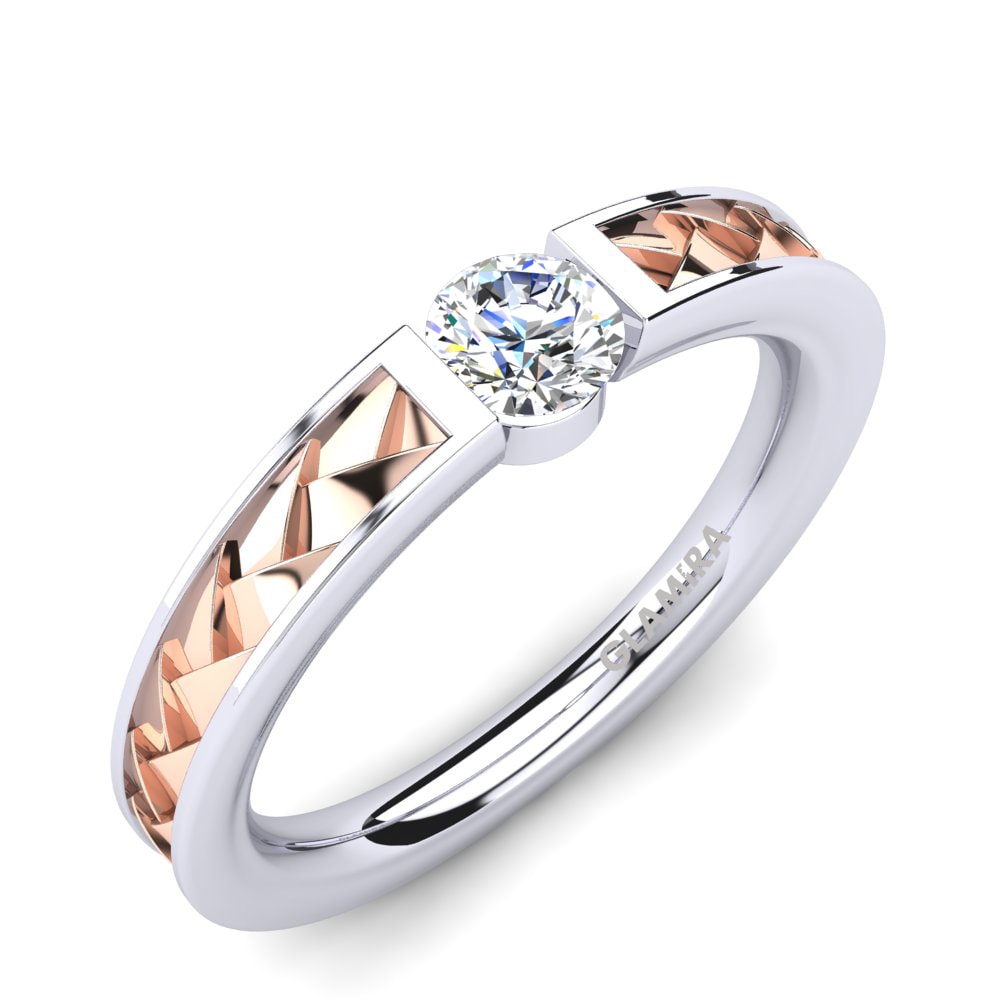
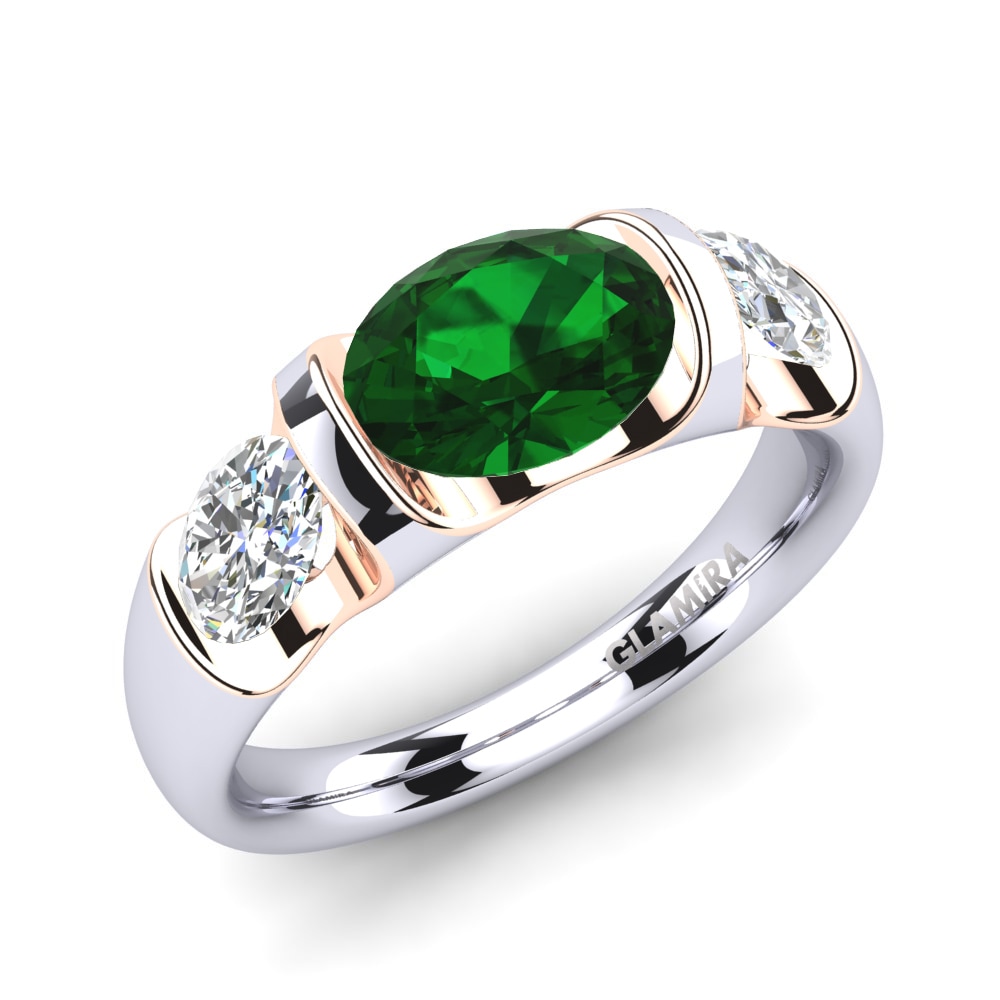
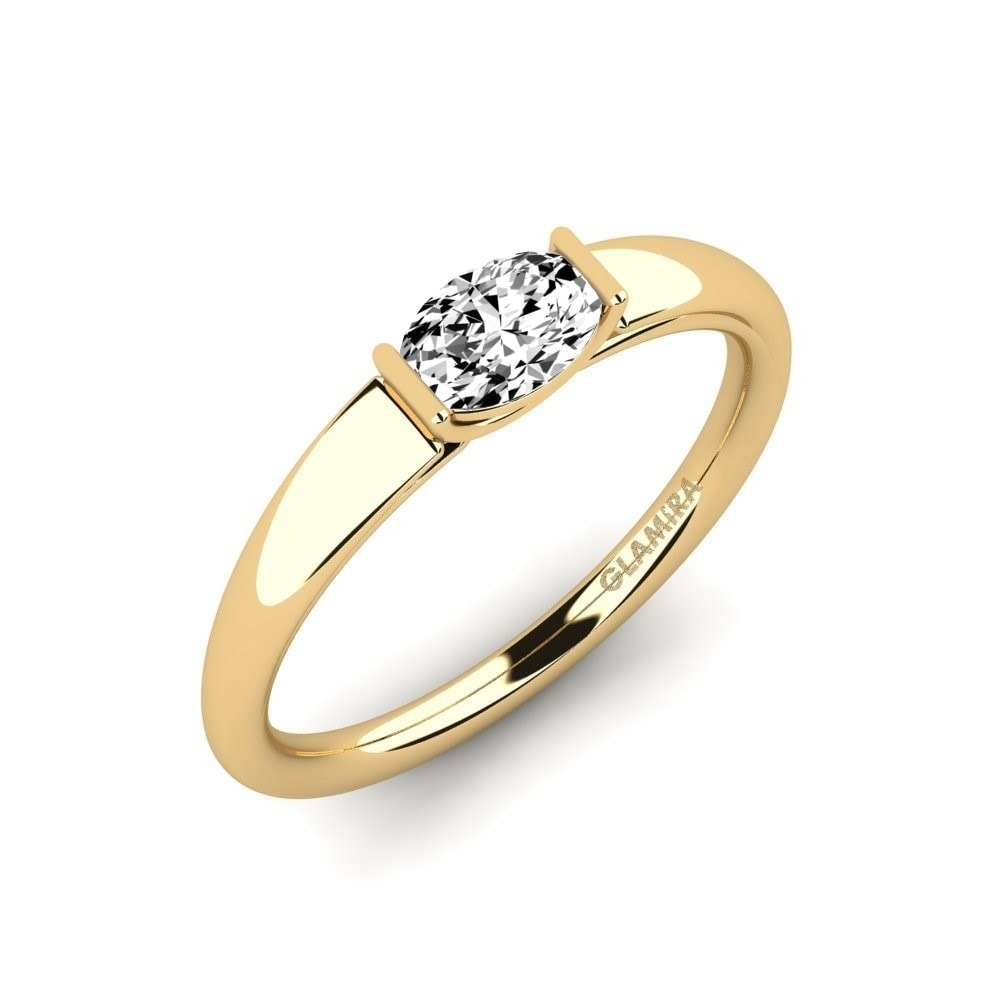
A tension engagement ring offers a modern and striking alternative to traditional settings. Instead of using prongs or a bezel, this design holds the centre stone in place using the compressive force of the metal band itself. The band is expertly engineered to act like a spring, securing the diamond or gemstone in custom-carved grooves, which creates the illusion that the stone is floating in mid-air. This minimalist approach allows for an unobstructed view of the gemstone, maximising its brilliance and showcasing its cut from almost every angle. This style is particularly well suited for individuals who appreciate contemporary architecture, clean lines, and innovative design. It makes a definitive statement about personal style, favouring unique construction over intricate ornamentation. If you are looking for a ring that is both a conversation piece and an expression of modern commitment, the tension setting is an excellent choice.
A Guide to Styling Tension Engagement Rings
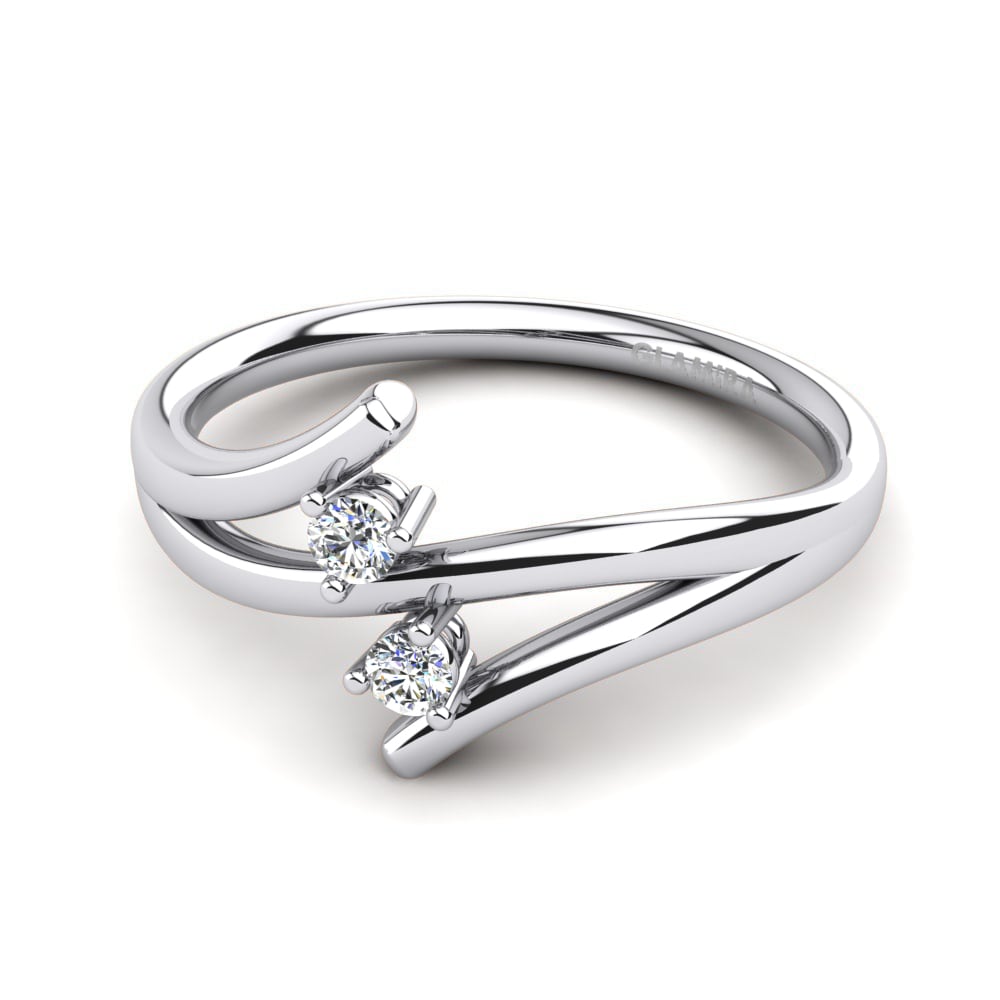
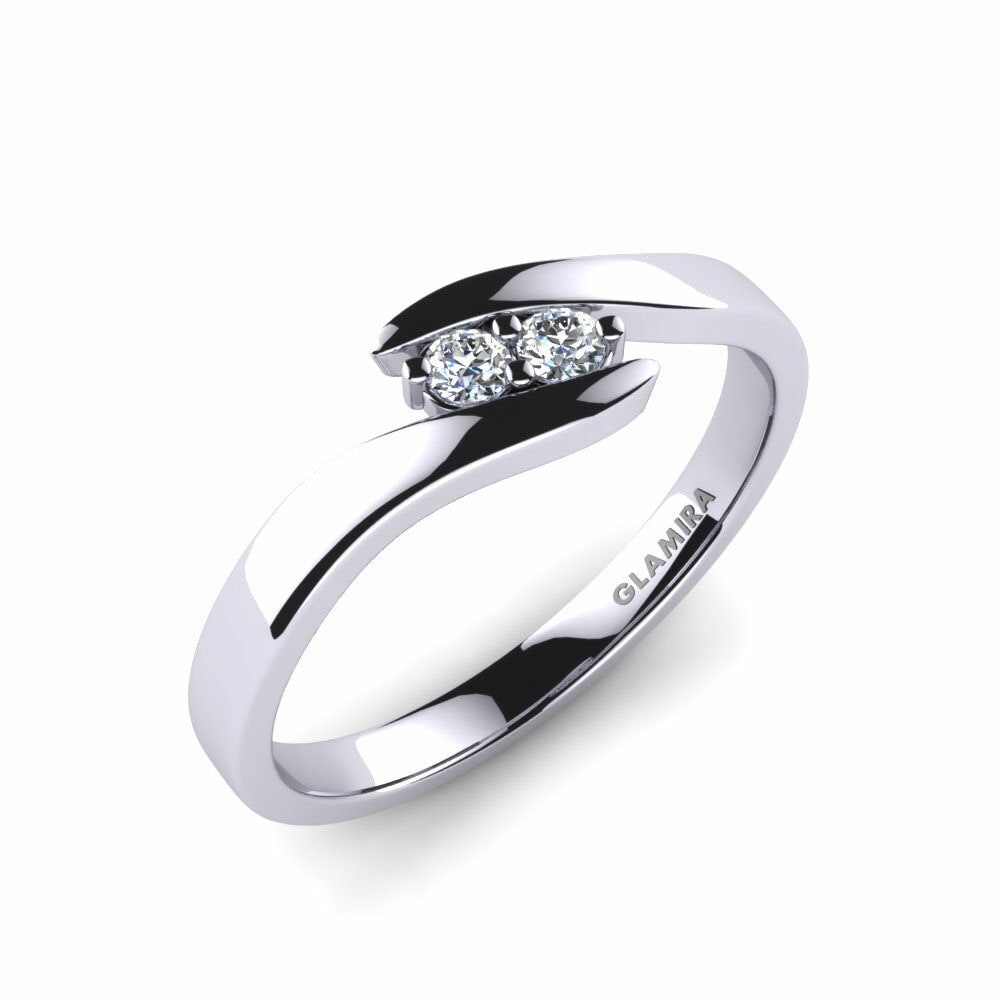
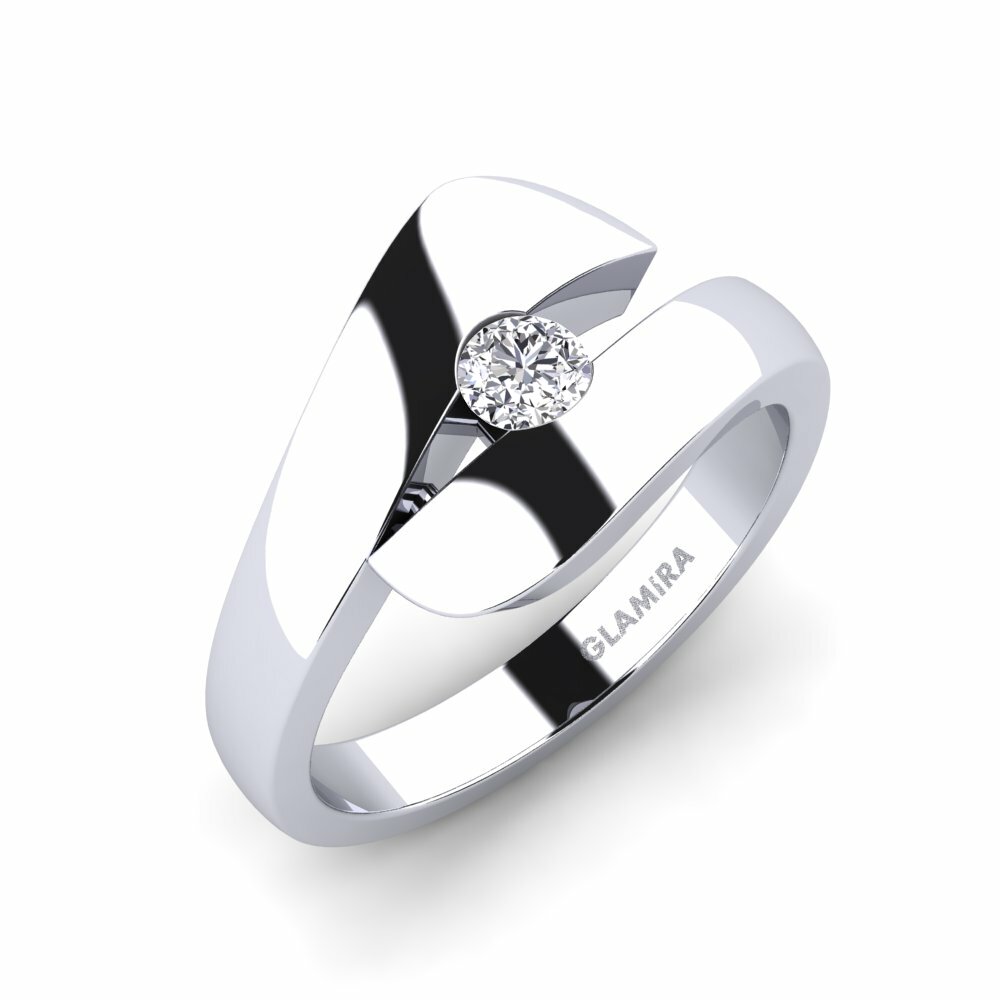
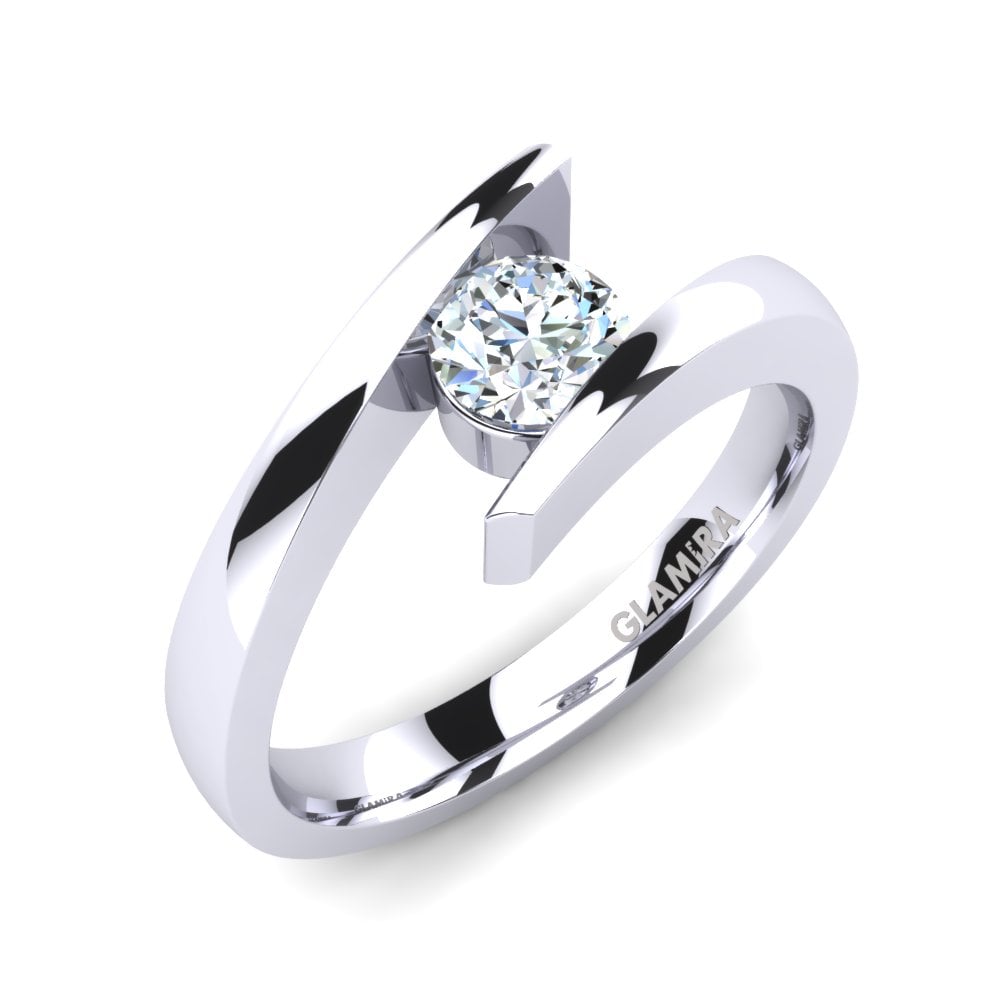
The success of a tension ring design hinges on the harmony between the metal, the band's shape, and the gemstone. Because the setting is so open, harder gemstones are essential to withstand the pressure. Round brilliant cut diamonds are a frequent choice, as their symmetrical shape distributes the force evenly and their facets create exceptional light return. Oval and pear cuts also work well, lending an elegant, elongated look to the finger. The band itself becomes a central design element; a sleek, polished finish emphasises the ring's modernity, while a satin or matte finish can offer a softer, more industrial feel. Twisted or bypass shanks, where the bands sweep around the stone without meeting, add a sense of fluid movement to the architectural design. The metal colour you choose—from the classic warmth of yellow gold to the cool sheen of platinum or white gold—will further define the ring's character and overall visual impact.
Pairing a Wedding Band with Tension Engagement Rings
Pairing a wedding band with a tension engagement ring requires some thoughtful consideration due to the unique way the centre stone is set. Because the gemstone often extends beyond the edges of the band, a standard straight wedding ring will not sit flush against it, leaving an awkward gap. The most effective solution is a 'notched' or 'contour' wedding band. This style is specifically designed with a small curve or indentation that allows it to nestle neatly alongside the engagement ring, creating a seamless and cohesive look. Another popular approach is to select a wedding band that mirrors the design of the engagement ring's shank for a beautifully matched set. For a more contemporary look, some individuals choose to wear their tension ring on one hand and their wedding band on the other, allowing each piece to make its own distinct statement. A 'notched' wedding band is custom-shaped to curve around the tension-set stone, allowing the two rings to sit flush together on the finger.
Choosing Tension Engagement Rings for Your Style and Lifestyle
A tension setting is best suited for someone with a modern, minimalist, or architectural sense of style. It appeals to those who value engineering and artistry equally. When considering metal choice, white gold and platinum enhance the cool, contemporary feel of the design and complement skin with cool undertones. Yellow and rose gold provide a warm contrast to the architectural setting, and these warmer metals are often flattering on skin with olive or warmer undertones. Beyond aesthetics, there are practical lifestyle considerations. While exceptionally secure for daily wear, the exposed nature of the stone means it's important to choose a durable gemstone. This setting is suited for those in professional roles but might be less suited for individuals with hands-on jobs where the ring could be subject to frequent, hard impacts from the side. Tension settings require gemstones ranking 9.0 or higher on the Mohs scale of hardness, such as diamonds or sapphires, to withstand the setting pressure.
Why Choose GLAMIRA for Tension Engagement Rings
Choosing a tension ring from GLAMIRA means you are commissioning a piece of precision-engineered jewellery. Because the security of the setting depends entirely on expert calibration, each ring is handcrafted to order for your specific stone. You have complete control over the final design, with the ability to select your preferred metal—from 9ct, 14ct, or 18ct gold to palladium or platinum—and choose the exact diamond or gemstone that will become the centrepiece. This ensures the ring is a true reflection of your personal taste and commitment. Every GLAMIRA ring includes the option for free personalised engraving to add a meaningful message. Your purchase is supported by a lifetime warranty, 60-day returns, and free, secure delivery across the UK, providing confidence and peace of mind. Every GLAMIRA tension ring is individually handcrafted to order, ensuring the metal's pressure is precisely calibrated to the specific dimensions of your chosen centre stone.